

What makes one gold piece different from another beyond design? The answer is purity. In Singapore's gold market, 916 and 999 are the two most common purity levels. Understanding these numbers helps you make smarter buying decisions. Knowing the key differences ensures you get precisely what you need.
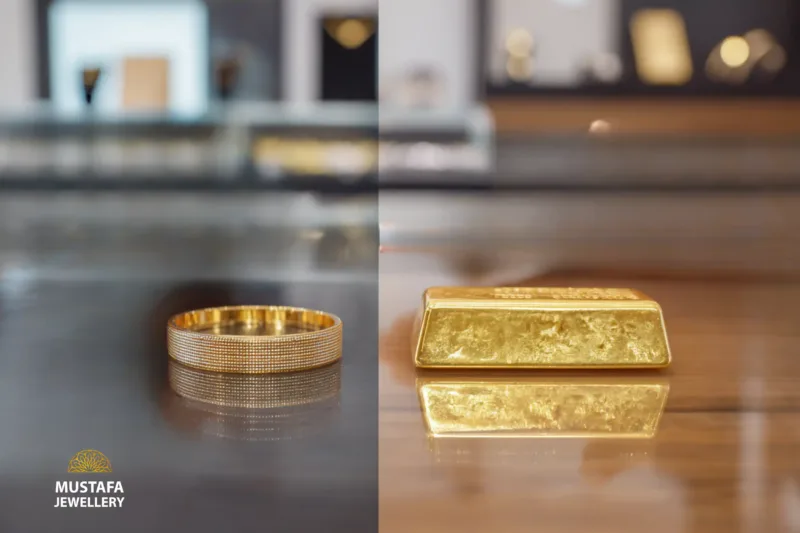
The Purity Factor: Breaking Down the Numbers
The numbers 916 and 999 indicate the purity of your piece.
What 999 Gold Means
999 gold contains 99.9% pure gold. This is as close to pure gold as you can get. The remaining 0.1% consists of trace elements that are nearly impossible to remove. This purity level equals 24 karat gold in the traditional karat system.
What 916 Gold Means
916 gold has 91.6% pure gold mixed with 8.4% other metals. These alloy metals typically include copper, silver, or zinc. This mixture creates 22 karat gold. The added metals serve specific purposes beyond just filling space.
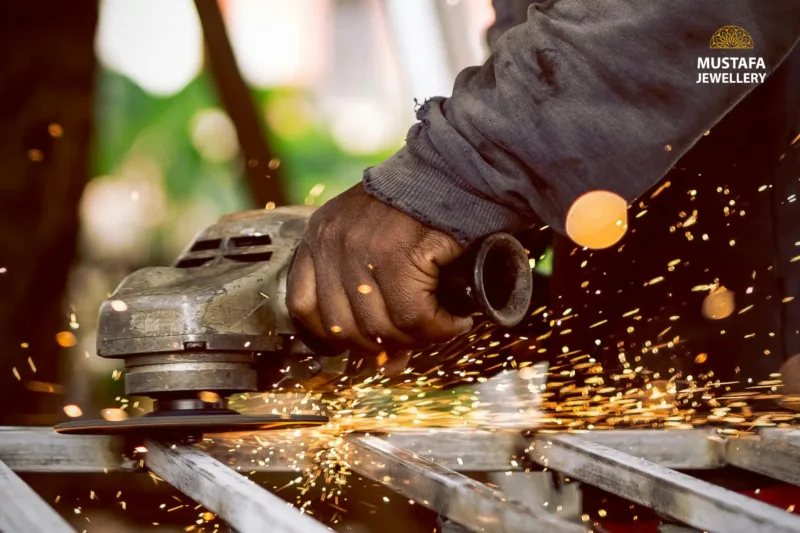
Composition and Alloy Metals
Why add other metals to gold? Pure gold is too soft for most practical uses.
The Role of Alloy Metals in 916 Gold
The 8.4% of alloy metals in 916 gold makes it stronger and more durable. These metals create a more rigid material that resists scratches and maintains shape. Common alloy metals include:
- Copper: Adds strength and gives a slightly reddish tint
- Silver: Increases durability while maintaining brightness
- Zinc: Helps with casting and improves malleability for intricate designs
The exact alloy mix varies by manufacturer. Quality jewellers carefully balance the alloys to maintain the gold's rich appearance while adding strength.
Why 999 Gold Has No Significant Alloys
999 gold is pure. Removing those last traces of other elements costs more than the benefit they provide. This purity makes 999 gold the global standard for investment gold. Buyers worldwide recognise and trust this standard.
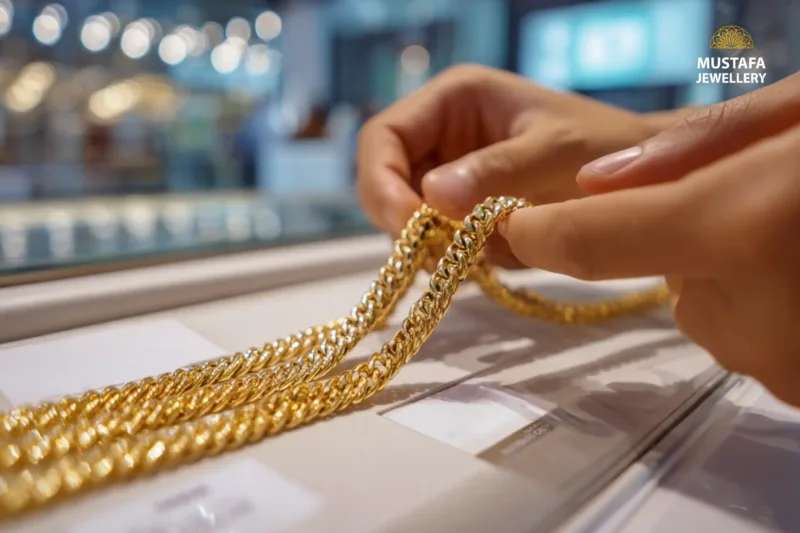
Appearance and Colour Differences
Can you tell them apart just by looking?
The Colour of 999 Gold
Pure 999 gold has a deep, rich yellow colour. This intense hue comes from gold in its natural state. The colour appears warmer and more saturated than that of lower-purity gold. Many people describe it as having a "glowing" quality.
The Colour of 916 Gold
916 gold appears slightly lighter in colour. The alloy metals dilute the intense yellow of pure gold. The difference is subtle but noticeable when you place both types side by side. Some people prefer this slightly softer yellow for jewellery as it complements various skin tones. The colour variation is slight. Unless you’re comparing pieces directly, most people find both types beautiful and distinctly golden.
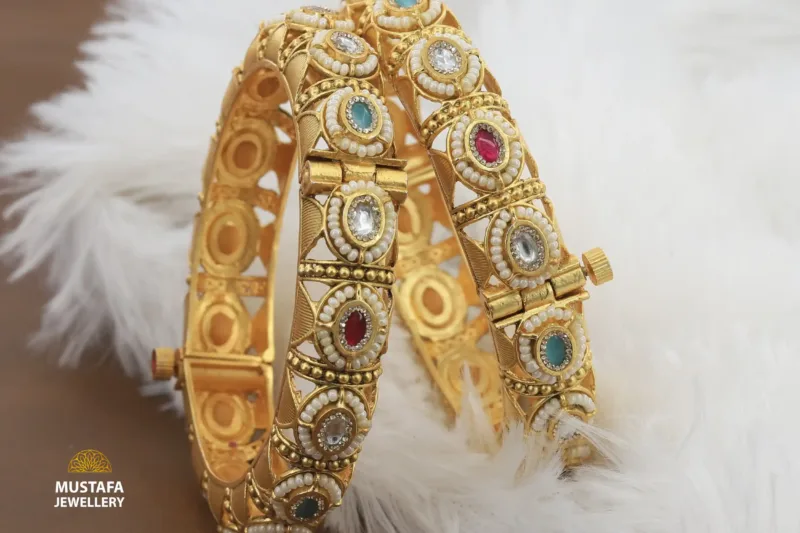
Practical Applications: Which Goes Where?
Different purities suit different purposes.
Common Uses for 999 Gold
- Investment bars and coins
- Central bank reserves
- Special collector pieces
- High-value gifts for significant occasions
- Religious or ceremonial items requiring maximum purity
Common Uses for 916 Gold
- Wedding and engagement rings
- Daily wear bangles and bracelets
- Necklaces and chains
- Earrings and pendants
- Intricate temple jewellery designs
- Bridal sets for Singapore weddings
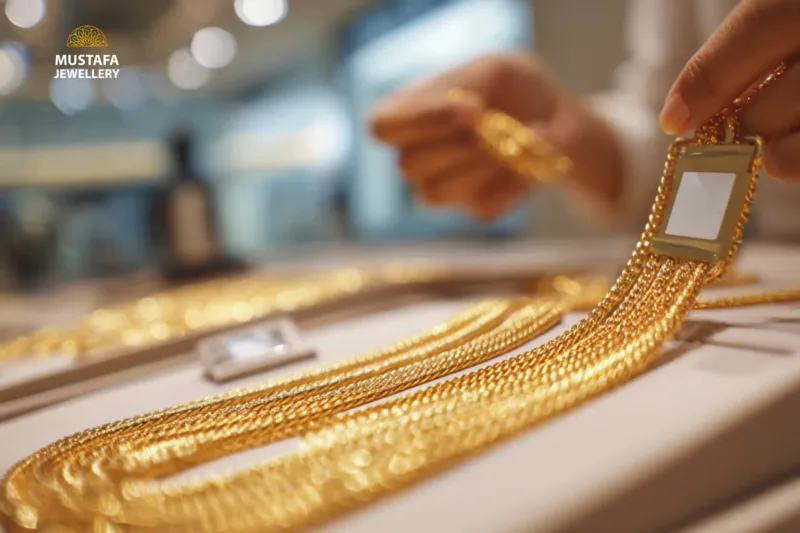
The practical nature of 916 gold makes it the preferred choice for jewellery across Singapore. Its durability matches the demands of pieces worn regularly.
Price Differences Per Gram
Understanding cost helps with budgeting.
Why 999 Gold Costs More
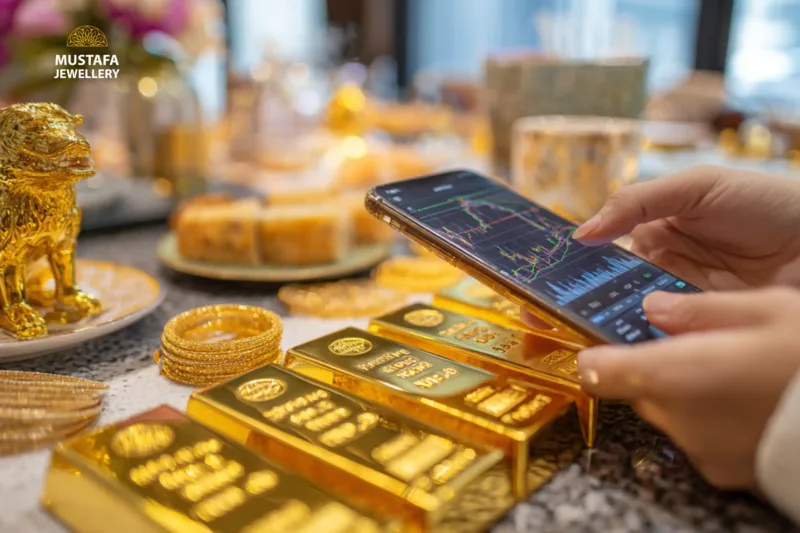
Higher purity means a higher price per gram. You're paying for more actual gold and less alloy metal. The price closely tracks global gold rates. When international gold prices rise, 999 gold prices in Singapore follow suit.
The Value Proposition of 916 Gold
916 gold costs less per gram than 999 gold. The 8.4% of alloy metals reduces the pure gold content, lowering the price. However, this creates an advantage for jewellery buyers. You get beautiful pieces with good gold content at a more accessible price point. Making charges (craftsmanship costs) can vary significantly from piece to piece. Compare total costs, including making charges, when shopping.
Market Demand in Singapore
What do most Singapore buyers choose?
The Popularity of 916 Gold Jewellery
916 gold dominates Singapore's jewellery market. Wedding jewellery, festival pieces, and daily wear items typically use 916 gold. The balance of purity, durability, and value appeals to most buyers. Cultural preferences also favour 22 karat gold for traditional jewellery.
The Investment Gold Market
Serious gold investors and banks prefer 999 gold. The standardised purity makes buying and selling straightforward. When you need to liquidate investment-grade gold, 999-purity gold finds buyers quickly at transparent rates.
For more details on choosing the right type for your needs, read our comprehensive guide: 916 Gold vs 999 Gold: Which Is Better for You?
Final Thoughts
The key differences between 916 and 999 gold lie in purity, composition, and intended use. 999 gold offers maximum purity for investment purposes. 916 gold provides practical durability for jewellery you can wear and enjoy. Both have their place depending on your needs.
Understanding these differences helps you make informed choices. Visit Mustafa Jewellery to see both types in person and speak with our knowledgeable staff about which option suits your specific requirements.





Article
916 Gold vs 999 Gold: Key Differences Explained
Beyond design, the true value of gold lies in its purity. In Singapore, the choice usually comes down to 916 vs. 999 gold. While one offers the ultimate purity of 24 karats, the other provides the perfect balance of beauty and strength for jewellery. This guide breaks down everything you need to know about composition, costs, and market demand.