

Gold has long been a symbol of wealth, beauty, and tradition, especially in culturally rich markets like Singapore. When it comes to purchasing gold jewellery, buyers often face a crucial decision: choosing between 999 gold and 916 gold. Both types have their unique characteristics, benefits, and drawbacks. This article dives deep into the differences between 999 and 916 gold to help Singapore jewellery buyers make informed choices that suit their needs and preferences.
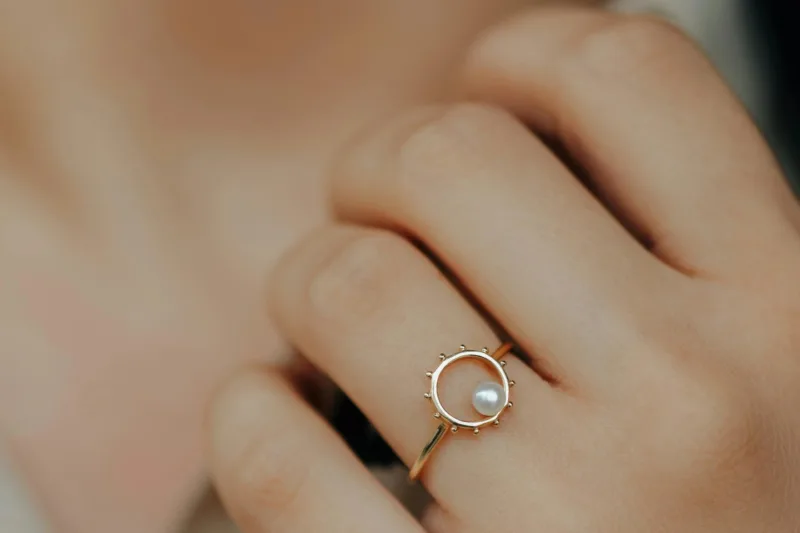
Understanding Gold Purity: What Do 999 and 916 Mean?
Before comparing 999 and 916 gold, it’s essential to understand what these numbers represent. Gold purity is measured in parts per thousand, indicating the amount of pure gold in an alloy.
What is 999 Gold?
999 gold, also known as 24-karat gold, is the purest form of gold available in the market. It contains 99.9% pure gold, with minimal traces of other metals. This high purity means 999 gold has a rich yellow colour and is hypoallergenic, making it ideal for those with sensitive skin. Additionally, because of its softness, 999 gold is often used in investment pieces, such as bullion coins and bars, which are primarily valued for their gold content rather than their craftsmanship. Collectors and investors alike appreciate 999 gold for its intrinsic value, as it is less likely to tarnish or corrode over time, ensuring that it retains its luster and appeal.
What is 916 Gold?
916 gold, or 22-karat gold, contains 91.6% pure gold mixed with 8.4% other metals such as silver, copper, or zinc. This alloying process enhances the metal’s durability and strength, making it more suitable for crafting intricate jewellery pieces that can withstand daily wear. The addition of other metals not only improves the hardness of the gold but can also influence its colour, leading to variations like rose gold or white gold, depending on the alloying metals used. Furthermore, 916 gold strikes a balance between purity and practicality, making it a popular choice for wedding bands and other pieces that are meant to last a lifetime. Its slightly lower purity compared to 999 gold also makes it more affordable, allowing for more elaborate designs without compromising on quality.
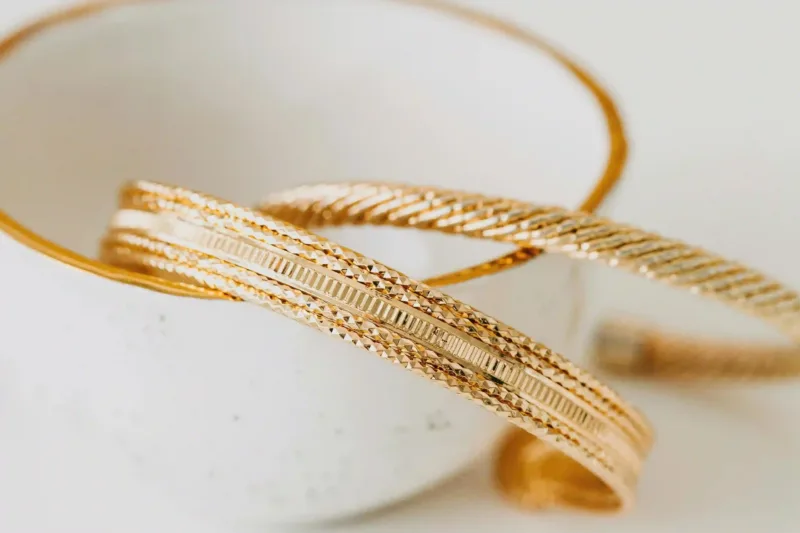
Key Differences Between 999 and 916 Gold Jewellery
While both 999 and 916 gold are popular choices, their differences impact not only appearance and durability but also price, maintenance, and cultural significance.
Purity and Colour
999 gold’s high purity gives it a bright, rich yellow hue that many buyers find appealing. However, this purity also makes it softer and more prone to scratches and deformation. In contrast, 916 gold has a slightly paler yellow shade due to the alloy metals but offers greater hardness and resistance to wear. The alloying metals in 916 gold, often copper and silver, can also impart subtle variations in colour, allowing for a range of shades that can complement different skin tones and personal styles. This versatility makes 916 gold a popular choice for a variety of jewellery designs, from contemporary to traditional.
Durability and Practicality
For jewellery pieces like rings, bracelets, and bangles that are worn daily, durability is paramount. 916 gold’s alloy composition provides the necessary strength to endure everyday activities without losing shape or breaking easily. On the other hand, 999 gold’s softness makes it more suitable for pendants, earrings, or investment bars rather than heavily worn jewellery. Additionally, the durability of 916 gold allows artisans to create intricate designs and detailed engravings that can withstand the test of time, making it an excellent choice for statement pieces that are meant to be cherished for years.
Price Considerations
Due to its higher gold content, 999 gold is generally more expensive per gram than 916 gold. However, the price difference can vary depending on market rates and craftsmanship. Singapore buyers should also consider resale value: 999 gold typically commands a higher price when sold back, but 916 gold jewellery can retain value due to its practical appeal. Furthermore, the craftsmanship involved in creating 916 gold pieces can add to their overall value, as skilled artisans often incorporate unique designs and techniques that enhance their desirability in the market.
Maintenance and Longevity
999 gold requires more careful handling and regular polishing to maintain its shine because it scratches easily. Conversely, 916 gold jewellery is more resilient and requires less frequent maintenance, making it a convenient choice for busy individuals. Additionally, the lower maintenance needs of 916 gold can make it more appealing for those who lead an active lifestyle, as it can withstand daily wear without the constant worry of damage. Over time, both types of gold can develop a patina, but while 999 gold may need professional cleaning to restore its luster, 916 gold can often be refreshed with simple at-home cleaning methods, making it a practical choice for everyday wear.
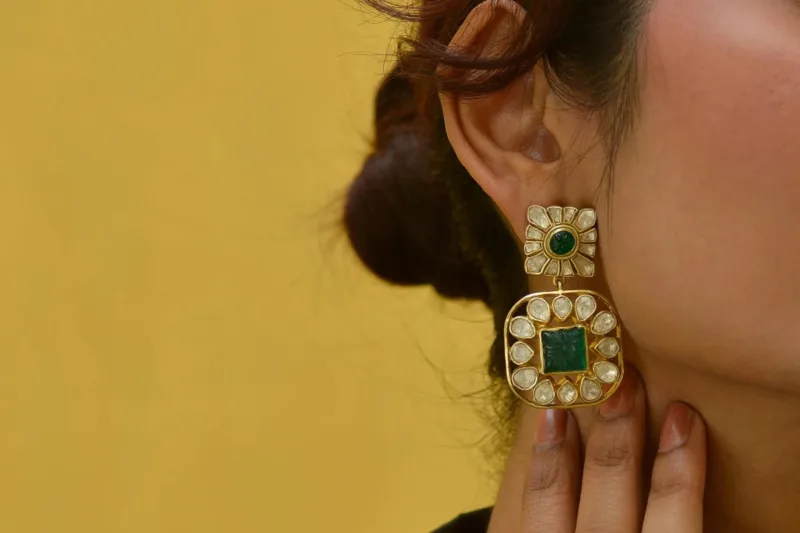
Why Singapore Jewellery Buyers Prefer 916 Gold
Singapore’s vibrant jewellery market reflects a blend of cultural heritage and modern lifestyle demands. Among local consumers, 916 gold is often the preferred choice for several reasons.
Cultural Significance and Tradition
In many Asian cultures, including Singapore’s Chinese, Malay, and Indian communities, 916 gold jewellery is traditionally gifted during weddings, festivals, and significant life events. Its durability ensures the jewellery can be passed down through generations as family heirlooms.
Affordability and Accessibility
Singapore’s jewellery retailers stock a wide range of 916 gold items, from simple chains to elaborate designs, catering to various budgets. This accessibility makes 916 gold an attractive option for first-time buyers and those seeking value without compromising on quality.
Variety of Designs
The alloy metals in 916 gold allow jewellers to create intricate and diverse designs that hold their shape well. This versatility appeals to fashion-conscious buyers who want jewellery that complements both traditional attire and contemporary outfits.
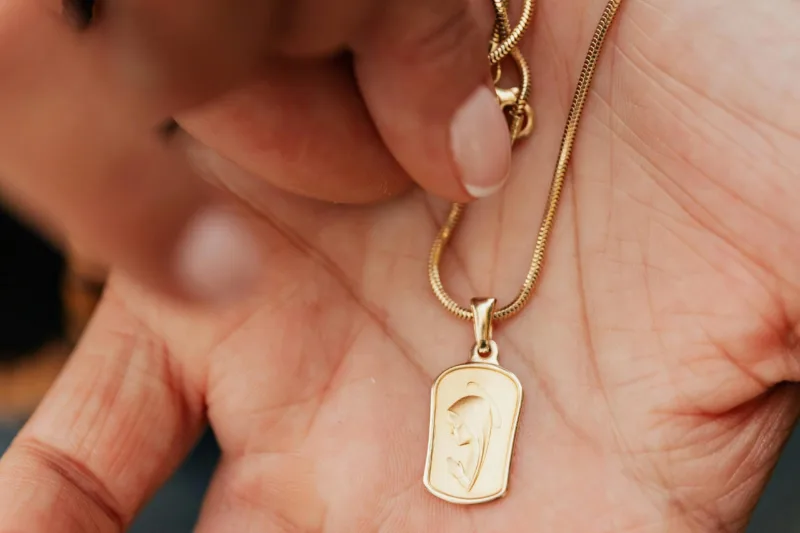
When Should Singapore Buyers Consider 999 Gold?
Despite 916 gold’s popularity, 999 gold has its own niche in the Singapore market, especially for specific purposes and buyer preferences.
Investment and Wealth Preservation
999 gold is often purchased as an investment asset due to its high purity and ease of liquidity. Gold bars, coins, and bullion in 999 purity are favoured by investors looking to hedge against inflation and currency fluctuations. Singapore’s status as a financial hub makes it a convenient place to buy and store such assets.
Hypoallergenic Jewellery Needs
For those with sensitive skin or allergies to certain metals, 999 gold’s purity reduces the risk of skin irritation. Although it may not be ideal for everyday wear, 999 gold earrings or pendants can be a safe and elegant choice.
Special Occasions and Collectibles
Some buyers prefer 999 gold for special occasion jewellery or collectible pieces that are worn occasionally and valued for their purity and craftsmanship. These pieces often serve as status symbols and are treasured for their aesthetic and intrinsic value.
Legal Standards and Hallmarking in Singapore
Understanding the legal framework and hallmarking system in Singapore is crucial for buyers to ensure authenticity and quality.
Regulations Governing Gold Purity
The Singapore government regulates gold purity through the Singapore Precious Metals Exchange (SPME) and the Singapore Bullion Market Association (SBMA). Jewellery sold in Singapore must meet strict standards, and reputable retailers provide certification of gold content.
Hallmarks and Certification
Hallmarks are official stamps on gold jewellery indicating its purity. In Singapore, 999 gold is typically marked as “999” or “24K,” while 916 gold is marked “916” or “22K.” Buyers should always look for these marks and request certificates of authenticity to avoid counterfeit or substandard products.
Tips for Singapore Jewellery Buyers: Making the Right Choice
Choosing between 999 and 916 gold depends on individual priorities, lifestyle, and budget. Here are some practical tips to guide buyers in Singapore:
Assess Your Purpose
Decide whether the gold jewellery is for daily wear, investment, gifting, or special occasions. For everyday jewellery, 916 gold offers durability and variety. For investment, 999 gold is preferable.
Consider Your Budget
Set a realistic budget that accounts for both the gold purity and the design complexity. Remember that 999 gold will generally cost more but may offer better resale value.
Buy from Reputable Retailers
Choose established jewellery stores in Singapore that provide clear hallmarking and certification. This ensures authenticity and protects your investment.
Understand Maintenance Needs
Be prepared to care for your gold jewellery appropriately. If you prefer low-maintenance pieces, 916 gold is a practical choice. If you’re willing to handle delicate items, 999 gold jewellery can be a beautiful addition.
Check for Allergies
If you have sensitive skin, opt for 999 gold or ensure that the alloy metals in 916 gold do not cause irritation.
Conclusion: Which Gold is Best for Singapore Jewellery Buyers?
Both 999 and 916 gold have their place in Singapore’s jewellery market, each catering to different needs and preferences. For buyers seeking pure gold with investment potential or hypoallergenic properties, 999 gold is the superior choice. However, for those prioritizing durability, affordability, and design versatility, 916 gold remains the preferred option.
Ultimately, the best choice depends on the buyer’s lifestyle, intended use, and budget. By understanding the differences and considering the factors outlined above, Singapore jewellery buyers can confidently select gold that brings lasting value and joy.
Whether investing in a pure gold bar or selecting a beautifully crafted 916 gold necklace, Singapore’s diverse gold market offers something for every discerning buyer.





Article
999 vs 916 Gold: Which is Best for Singapore Jewellery Buyers?
When buying gold in Singapore, many wonder whether 999 (24K) or 916 (22K) is the better choice. While 999 gold offers the highest purity and strong investment value, 916 gold is more durable and popular for jewellery, especially for weddings and daily wear. This guide helps Singapore buyers choose wisely between purity and practicality.