

Baba Nyonya culture, also known as Peranakan or Straits Chinese culture, is a unique blend of Chinese, Malay, and Indonesian traditions that emerged in the 15th century. This vibrant culture is prevalent in the Straits Settlements of Malacca, Penang, and Singapore. One of the fascinating aspects of Baba Nyonya culture is the significant role that diamond jewellery plays in their society. Baba Nyonya diamond jewellery symbolises status, wealth, and social standing and is intricately woven into various Baba Nyonya rituals and traditions.
Understanding Baba Nyonya Culture
The Origins and Heritage of Baba Nyonya Diamond Jewellery
The Baba Nyonya community, also known as the Peranakans or Straits Chinese, descends from Chinese immigrants who married local Malays and Indonesians. This intermarriage resulted in a fascinating cultural fusion, a blend of Chinese heritage, Malay grace, and local artistry.
But have you ever wondered why Baba Nyonya used diamond jewellery historically? Their unique lifestyle and values shaped not only their cuisine and language but also their fashion and adornments. Baba Nyonya diamond jewellery history in Singapore reveals that diamonds were more than decorative gems, they symbolised wealth, refinement, and continuity of family honour.
Diamonds in Peranakan Weddings and Rituals
How were diamonds incorporated into Peranakan wedding ceremonies? In Baba Nyonya weddings, diamond jewellery played a central role. It was not merely an accessory but a reflection of the bride’s family status and refinement. Elaborate diamond brooches, earrings, and hairpins adorned the bride, representing purity, prosperity, and enduring love. This tradition showcases how diamond jewellery is used in Baba Nyonya weddings, as a symbol of both beauty and cultural pride.
The significance of diamonds in Peranakan culture also extends to rituals and heirlooms. Many families believe that diamonds hold auspicious energy and serve as protective charms. It’s no surprise that Baba Nyonya women wear diamond brooches with pride during important events and religious ceremonies, a nod to both ancestral legacy and personal elegance.
Symbolism and Traditional Designs
What does diamond jewellery symbolise in Baba Nyonya society? Beyond aesthetics, diamonds represented status and heritage. The intricate filigree motifs and floral patterns often found in traditional diamond designs in Peranakan jewellery mirror the community’s appreciation for fine craftsmanship and symbolism. Each design told a story — of love, lineage, and identity.
Even today, collectors and artisans celebrate how Baba Nyonya diamond jewellery is passed down generations as treasured heirlooms. These vintage pieces often carry blessings and memories, connecting descendants to their ancestors.
Traditional vs Modern Peranakan Styles
Over time, modern jewellers have reinterpreted these timeless pieces. The question now arises: how do traditional Peranakan diamond designs differ from modern interpretations? Classic Baba Nyonya diamond jewellery is ornate, detailed, and filled with cultural motifs like phoenixes, peonies, and butterflies. In contrast, modern interpretations of Baba Nyonya diamond jewellery blend simplicity with symbolism, retaining the soul of heritage while fitting contemporary fashion sensibilities.
Today’s designers create pieces that bridge old and new — combining fine Straits Chinese filigree techniques with sleek, minimalist aesthetics. This evolution makes authentic Baba Nyonya diamond jewellery not only a cultural treasure but also a fashion statement.
Caring for and Finding Authentic Pieces
How to care for vintage Baba Nyonya diamond jewellery? Because many heirlooms are delicate, regular cleaning with mild solutions and safe storage in soft-lined boxes is essential. Avoid harsh chemicals and professional polishing too frequently, as it can dull the intricate filigree.
If you’re wondering where to buy authentic Baba Nyonya diamond jewellery in Singapore, look for reputable jewellers who specialise in Peranakan-inspired designs. They often showcase both antique collections and modern reproductions rooted in tradition.
So, whether you’re seeking to understand how Baba Nyonya diamond jewellery is passed down generations or simply curious about how to distinguish authentic Baba Nyonya diamond pieces vs modern reproductions, exploring this exquisite art form connects you to centuries of Peranakan heritage and craftsmanship. Explore our Peranakan-inspired diamond jewellery collection, where every piece celebrates tradition, elegance, and the enduring charm of the Baba Nyonya legacy.
The Origins of Baba Nyonya
“Baba” refers to the male descendants of Chinese immigrants, while “Nyonya” refers to the female descendants. Baba Nyonya culture is an amalgamation of Chinese Confucian values and Malay culture.
As the Baba Nyonya community grew and prospered, their cultural identity became more pronounced, with distinct rituals and customs passed down through generations. The intricate social hierarchy within Baba Nyonya families and the emphasis on filial piety exemplify how their cultural heritage continues to shape their lives today. Baba Nyonya culture jewellery also grew distinct with their unique pieces that include the dokoh, a large, elaborate necklace made with gold plates and chains.
Unique Aspects of Baba Nyonya Culture
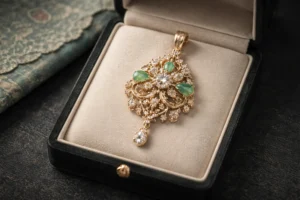
Baba Nyonya culture is renowned for its elaborate ceremonies, ornate fashion, and exquisite craftsmanship. The community places great importance on preserving its cultural heritage, including traditional clothing, intricate food preparations, and beautiful jewellery. Baba Nyonya traditional jewellery often features elaborate filigree work, incorporating intricate motifs such as flowers, birds and celestial imagery.
The vibrant colours and intricate patterns found in Baba Nyonya’s clothing reflect the community’s love for beauty and attention to detail, including diamonds in Peranakan culture. Each Baba Nyonya heritage jewellery tells a story of tradition and history, with motifs symbolising prosperity, luck, and happiness. The meticulous craftsmanship involved in creating these garments showcases the skill and dedication of Baba Nyonya artisans, who take pride in upholding their cultural legacy.
The Significance of Diamonds in Baba Nyonya Culture
Diamonds hold a deep symbolic meaning in Baba Nyonya society. These precious gems are associated with wealth, prosperity, and power. Diamond jewellery is considered a status symbol, adding prestige and glamour to the wearer.
The allure of diamonds in Baba Nyonya culture goes beyond their material value. These exquisite gems are revered for their spiritual significance and connection to the divine. The intricate facets of a diamond are believed to reflect the multifaceted nature of life itself, symbolising the complexities and beauty of human existence.
Symbolism of Diamonds in Baba Nyonya Society
In Baba Nyonya culture, diamonds symbolise abundance, success, and blessings. Their sparkling brilliance is believed to bring good fortune and ward off evil spirits. Diamonds are seen as representations of the celestial heavens and embody the connection between earth and sky.
Furthermore, diamonds are regarded as a symbol of eternal love and commitment in Baba Nyonya society. The unbreakable nature of a diamond is often likened to the enduring bond shared between loved ones, making diamond jewellery a popular choice for engagement and marriage ceremonies.
The Role of Diamond Jewellery in Baba Nyonya Rituals and Traditions
Diamonds are prominent in various Baba Nyonya rituals and traditions. They are intricately woven into important life events, such as weddings, birth celebrations, and ancestral worship ceremonies. Diamond jewellery is passed down through generations, symbolising the continuity of family traditions.
Moreover, the craftsmanship in creating diamond jewellery in Baba Nyonya culture is a testament to the community’s dedication to preserving heritage and artisanal skills. Each piece of diamond jewellery is meticulously crafted by skilled artisans, incorporating traditional motifs and designs passed down through generations.
During wedding ceremonies, the bride wears diamond jewellery as a symbol of her status and as an auspicious talisman. The intricate designs and fine craftsmanship of the diamond jewellery add to the grandeur of these ceremonies, reflecting the community’s emphasis on beauty and tradition.
The Artistry of Baba Nyonya Diamond Jewellery
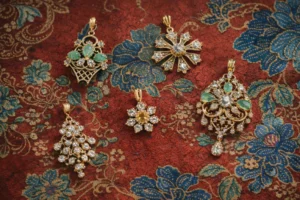
Baba Nyonya diamond jewellery exemplifies the community’s traditional craftsmanship. These exquisite pieces combine Chinese and Malay influences, combining intricate designs and gemstone settings.
Originating from the Peranakan culture in Singapore, Baba Nyonya diamond jewellery is significant in the region’s heritage. Each piece’s intricate craftsmanship and attention to detail reflect the Baba Nyonya community’s rich history and cultural diversity.
Traditional Designs and Techniques
Traditional Baba Nyonya diamond jewellery features elaborate filigree work, incorporating intricate motifs such as flowers, birds, and celestial symbols. Skilled artisans meticulously handcraft these pieces, using techniques passed down through generations.
The filigree work in Baba Nyonya jewellery is not just a display of artistry but also carries symbolic meanings. The intricate motifs often symbolise prosperity, longevity, and good fortune, making these pieces beautiful adornments and powerful talismans of cultural significance.
Modern Interpretations and Influences
While traditional designs remain highly valued, contemporary Baba Nyonya diamond jewellery incorporates modern influences. Jewellers experiment with different gemstone cuts, settings, and materials, creating unique pieces that blend the past’s essence with the present’s spirit.
In recent years, there has been a resurgence of interest in Baba Nyonya diamond jewellery, with designers and collectors alike appreciating the unique blend of tradition and innovation these pieces offer. The evolution of these designs reflects a dynamic cultural exchange, where the old and the new converge to create timeless works of art.
The Social Implications of Diamond Jewellery in Baba Nyonya Culture
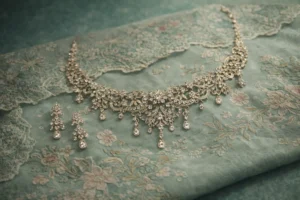
Diamond jewellery holds immense social significance within the Baba Nyonya society. It serves as a status marker, represents family heritage, and is a testament to the community’s appreciation for beauty and craftsmanship.
Baba Nyonya diamond jewellery’s intricate craftsmanship and exquisite design reflect the community’s rich cultural heritage. Each piece is meticulously handcrafted by skilled artisans, incorporating traditional motifs and symbols with deep cultural meanings. The process of creating these pieces often involves intricate techniques that have been passed down through generations, adding to the sentimental value of the jewellery.
Diamond Jewellery as a Status Symbol
Diamonds are highly cherished in the Baba Nyonya community as a symbol of affluence and social standing. Owning and wearing diamond jewellery reflects one’s wealth and success, elevating individuals to higher social ranks within their society.
The significance of diamond jewellery goes beyond its monetary value; it is a symbol of prestige and power within the Baba Nyonya community. The intricate designs and quality of the diamonds used in these pieces testify to the wearer’s discerning taste and social status.
The Role of Diamond Jewellery in Baba Nyonya Weddings
In Baba Nyonya weddings, diamond jewellery takes centre stage. These weddings are opulent affairs, with elaborate ceremonies and extravagant celebrations. The bride’s ensemble is adorned with stunning diamond accessories, showcasing the family’s wealth and social position.
These exquisite pieces are not merely adornments but treasured heirlooms passed down through generations, connecting families and preserving cultural heritage.
The tradition of wearing diamond jewellery in Baba Nyonya weddings dates back centuries and is deeply rooted in the community’s cultural practices. The intricate designs and symbolism behind each piece of jewellery play a significant role in the wedding rituals, symbolising love, prosperity, and the union of two families.
The Future of Diamond Jewellery in Baba Nyonya Culture
As with many traditional crafts and customs, Baba Nyonya diamond jewellery faces challenges in the modern age. However, efforts are underway to preserve and promote these pieces’ traditional craftsmanship and cultural significance.
Preserving Traditional Diamond Jewellery Craftsmanship
Artisans and cultural organisations are working together to preserve traditional diamond jewellery craftsmanship. They organise workshops and apprenticeship programs to pass on the intricate techniques and knowledge required to create these unique pieces.
The Impact of Globalisation on Baba Nyonya Diamond Jewellery
Globalisation has introduced new influences and trends into Baba Nyonya culture, including in the realm of diamond jewellery. While some worry about the erosion of traditional practices, others embrace the opportunity to create modern interpretations that resonate with contemporary consumers while still honouring the spirit of Baba Nyonya culture.
In conclusion, diamonds have a profound impact on Baba Nyonya culture. They symbolise wealth, prosperity, and social status and are integral to their rituals and traditions. Baba Nyonya diamond jewellery exemplifies the community’s rich cultural heritage and intricate craftsmanship. As they navigate the challenges of the modern era, efforts to preserve their traditional practices and explore new creative avenues will ensure that diamond jewellery continues to shine brightly in Baba Nyonya culture for generations to come.





Article
Diamonds in the Straits: The Role of Diamond Jewellery in Baba Nyonya Culture
Explore the rich heritage of Baba Nyonya culture and its deep connection to diamond jewellery, symbolising wealth, status, and tradition. From intricate craftsmanship to social implications, diamonds play a central role in Baba Nyonya rituals and celebrations, reflecting the community's unique blend of Chinese, Malay, and Indonesian influences. As Baba Nyonya culture evolves, efforts to preserve traditional craftsmanship ensure that diamond jewellery continues to shine brightly in this vibrant cultural mosaic.