

Diamond bracelets are timeless pieces of jewelry that combine elegance, luxury, and sentimental value. Whether gifted for a special occasion or purchased as a personal indulgence, these sparkling accessories deserve proper care to maintain their brilliance and structural integrity. Diamonds are famously durable, but the settings and metal components of bracelets require attention to prevent damage or loss.
This comprehensive guide shares essential tips for caring for your diamond bracelet, ensuring it remains a dazzling centerpiece in your collection for years to come.
Understanding Your Diamond Bracelet
Types of Diamond Bracelets
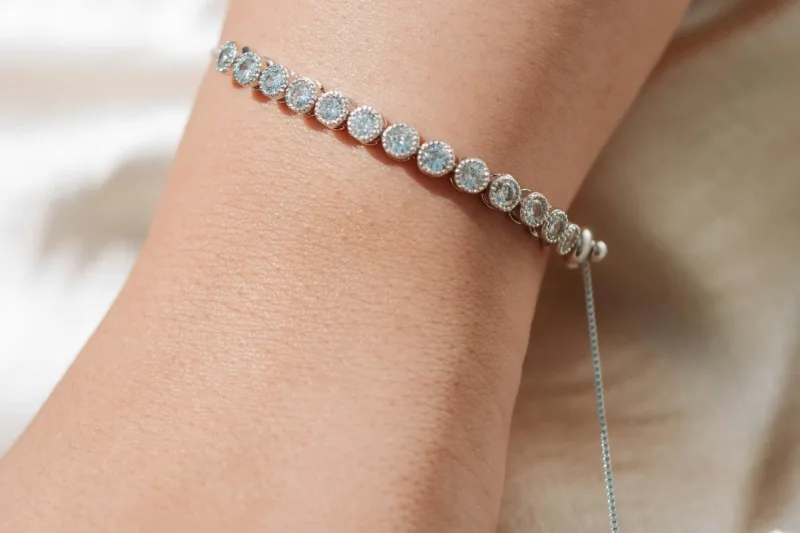
Diamond bracelets come in various styles, each with unique care considerations. The most popular types include tennis bracelets, bangles, charm bracelets, and cuff bracelets adorned with diamonds. Tennis bracelets, featuring a continuous line of diamonds set in precious metal, are particularly prized for their flexibility and sparkle. Their design allows for a seamless flow of brilliance around the wrist, making them a favoured choice for both casual and formal occasions.
Knowing the type of bracelet you own helps determine the best cleaning methods and storage practices. For example, a delicate tennis bracelet with numerous small diamonds may require more frequent inspections to ensure none of the stones have loosened. Additionally, charm bracelets can be personalised with various charms that may not only add sentimental value but also influence the overall weight and balance of the piece, necessitating careful handling to avoid damage to both the charms and the bracelet itself.
Materials and Settings Matter
Most diamond bracelets are crafted from precious metals such as gold (yellow, white, or rose), platinum, or sterling silver. The metal type influences both the bracelet’s appearance and its susceptibility to wear. Platinum, for example, is more durable and resistant to scratches than gold but can develop a patina over time. This natural aging process can add character to the piece, but some may prefer to have it polished to restore its original luster periodically.
The setting style—prong, bezel, channel, or pave—also affects maintenance. Prong settings expose diamonds more but require regular checks to ensure the prongs remain secure. Bezel settings encircle the diamond with metal, offering more protection but sometimes trapping dirt more easily. Understanding these nuances can enhance your appreciation of the craftsmanship involved in your bracelet. Furthermore, the choice of metal and setting can influence how the bracelet interacts with your skin, particularly for those with sensitivities. Hypoallergenic options are available and can be a wise investment for long-term wear.
Daily Care and Handling
Wear With Care
Even though diamonds are the hardest natural substance, the bracelet's metal and settings can be vulnerable to damage. Avoid wearing your diamond bracelet during activities that involve heavy lifting, gardening, or sports. Exposure to harsh chemicals, such as household cleaners or chlorine in swimming pools, can discolour or weaken the metal. It's also wise to consider the environment in which you wear your jewelry. For instance, if you're attending a crowded event, the risk of snagging the bracelet on clothing or being bumped by others can lead to unwanted damage.
When applying lotions, perfumes, or hairsprays, it's best to remove your bracelet. These substances can build up on the diamonds and metal, dulling their shine over time. Additionally, sweat can also contribute to the tarnishing of metals, particularly in warmer climates or during physical activities. To maintain the brilliance of your diamond bracelet, consider cleaning it regularly with a gentle solution of warm water and mild soap, using a soft brush to reach any intricate settings.
Safe Storage Practices
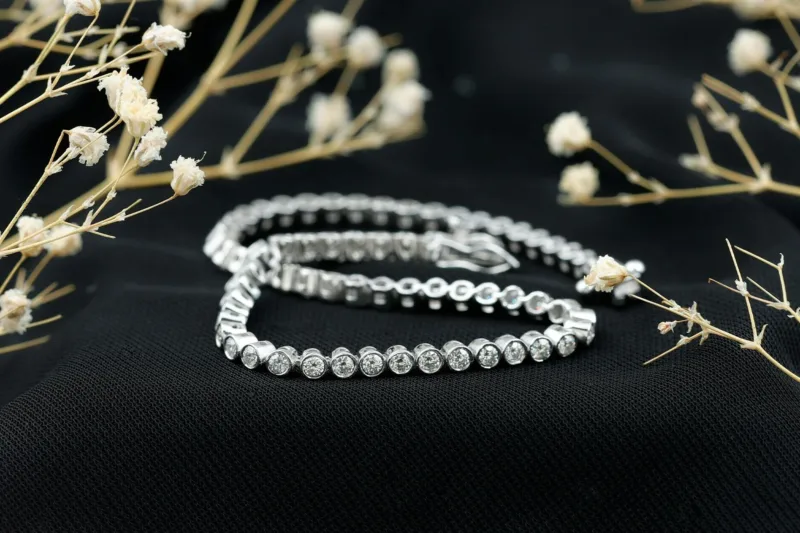
Proper storage is crucial to prevent scratches and tangling. Diamonds can scratch other jewelry pieces, so store your diamond bracelet separately, ideally in a soft-lined jewelry box or pouch. If you own multiple bracelets, avoid piling them together to prevent metal abrasion and stone loosening. Consider using a jewelry organiser that allows you to keep each piece distinct and easily accessible, which can also help you appreciate your collection more fully.
For those with limited storage space, individual compartments or anti-tarnish strips can help maintain the bracelet’s condition. Additionally, keeping your bracelet away from direct sunlight and extreme temperatures preserves the metal’s finish and the diamond’s clarity. It’s also beneficial to occasionally check the settings of your diamonds to ensure they are secure, as even the slightest movement can lead to a stone becoming loose over time. Regular professional inspections can provide peace of mind, ensuring that your cherished piece remains in pristine condition for years to come.

Cleaning Your Diamond Bracelet
Regular Cleaning at Home
Routine cleaning is essential to keep your diamond bracelet sparkling. A simple and effective method involves soaking the bracelet in a solution of warm water and mild dish soap for about 20-30 minutes. After soaking, gently brush the diamonds and metal with a soft-bristle toothbrush to remove dirt and oils. This method not only helps in maintaining the shine of the diamonds but also ensures that any accumulated grime, which can dull their brilliance, is effectively removed.
Rinse thoroughly with warm water and dry with a lint-free cloth. Avoid using paper towels or tissues, as they can scratch the metal. This gentle cleaning can be done every two weeks or as needed, depending on wear frequency. Additionally, it's wise to store your bracelet separately from other jewelry to prevent scratches and tangling. Consider using a soft pouch or a dedicated jewelry box with compartments to keep your bracelet safe and secure when not in use.
When to Use Professional Cleaning
While home cleaning maintains surface brilliance, professional cleaning and inspection are recommended at least once a year. Jewelers use ultrasonic cleaners and steamers that reach areas inaccessible by home methods, restoring the bracelet’s original sparkle. These specialised tools use high-frequency sound waves to create tiny bubbles in a cleaning solution, which gently dislodge dirt and debris from even the tiniest crevices of your jewellery.
During professional visits, the jeweler also checks for loose stones, worn prongs, and other potential issues. Early detection of problems can prevent costly repairs or loss of diamonds. Moreover, many jewelers offer additional services such as polishing and rhodium plating for white gold bracelets, which can enhance the overall appearance and longevity of your piece. It’s a good idea to inquire about any warranties or guarantees on the work performed, ensuring that your investment remains protected for years to come.
Maintenance and Repairs
Regular Inspections
Frequent inspections are key to preserving your diamond bracelet's longevity. Examine the bracelet for signs of wear, such as bent prongs, loose stones, or scratches on the metal. If you notice any irregularities, schedule a professional assessment promptly.
Even if no visible damage exists, a jeweler's inspection once a year helps ensure the bracelet remains secure and in optimal condition. During these inspections, jewelers can also clean the bracelet using ultrasonic cleaners or steam cleaning methods, which can help restore its original sparkle. Regular maintenance not only enhances the visual appeal of your diamond bracelet but also allows for early detection of potential issues that could lead to more costly repairs down the line.
Handling Repairs
Repairs on diamond bracelets should always be entrusted to experienced jewelers who specialise in fine jewellery. Whether it's re-tipping prongs, resizing, or replacing lost stones, professional repair guarantees the integrity and value of your bracelet. A skilled jeweler will have the necessary tools and expertise to ensure that repairs are done seamlessly, maintaining the bracelet's original design and craftsmanship.
Attempting DIY fixes or using unqualified repair services can lead to further damage or diminished aesthetics. Additionally, it's important to keep in mind that some repairs may require specific materials or techniques that only a professional can provide. For instance, when replacing a lost diamond, a jeweler can source a stone that matches the quality and characteristics of the original, ensuring uniformity in brilliance and colour. This attention to detail is crucial for preserving the overall beauty and value of your treasured piece.

Additional Tips for Longevity
Insurance and Documentation
Given the value of diamond bracelets, insuring your piece is a wise precaution. Jewellery insurance protects against theft, loss, or accidental damage. Keep all purchase receipts, appraisals, and certification documents in a safe place to facilitate claims if necessary.
Regularly updating appraisals ensures your insurance coverage reflects the current market value of your bracelet.
Mindful Wearing Habits
Consider reserving your diamond bracelet for special occasions rather than everyday wear to minimise exposure to potential hazards. If you do wear it daily, be mindful of activities that could cause impact or abrasion.
Removing your bracelet before sleeping can also prevent accidental damage from twisting or snagging.
Traveling With Your Diamond Bracelet
When traveling, pack your diamond bracelet carefully in a padded jewellery case or a soft pouch. Avoid placing it in checked luggage to reduce the risk of loss or theft. Carrying it in your personal bag or on your person is safer.
Additionally, check travel insurance policies to ensure your jewellery is covered during trips.
Conclusion
Caring for a diamond bracelet involves a blend of mindful daily habits, regular cleaning, professional maintenance, and secure storage. Understanding the unique features of your bracelet, such as the type of setting and metal, informs the best care practices.
By investing time and attention into proper care, your diamond bracelet will retain its dazzling beauty and sentimental value for generations. Whether worn as a statement piece or cherished heirloom, a well-maintained diamond bracelet continues to sparkle brightly through life's moments.





Article
Essential Tips for Caring for Diamond Bracelet
A diamond bracelet is more than just jewellery—it’s an investment and a timeless accessory. With the right care, you can keep it shining beautifully for years. From cleaning to safe storage in Singapore’s humid weather, here are simple tips to protect your treasured piece.