

Gold carries a weight that transcends its market value, especially during Lunar New Year. For millions of families across Asia and diaspora communities worldwide, selecting the right gold jewellery for these celebrations isn’t merely a shopping decision: it’s a meaningful act that honours ancestors, blesses recipients, and sets intentions for the year ahead.
Whether you’re buying your first piece of festive gold jewellery or adding to an existing collection, the choices can feel overwhelming. Purity levels, design symbolism, styling considerations, and market pricing all factor into the decision. Getting it right means understanding not just what looks beautiful, but what carries the appropriate meaning for your recipient and occasion. This guide walks through everything you need to make a confident, culturally informed choice for your Lunar New Year gold.
The Cultural Significance of Gold in Lunar New Year Traditions
Symbolism of Prosperity and Good Fortune
Gold's association with wealth and blessing runs deep in Chinese culture, predating written records. The metal's warm yellow tone mirrors the colour of the emperor and the sun, connecting it to cosmic power and earthly abundance. During Lunar New Year, this symbolism intensifies. Gold represents the hope that the coming year will bring financial stability, career advancement, and family harmony.
The phrase "gold and jade fill the hall" appears in countless New Year greetings, expressing wishes for overflowing prosperity. When you gift or wear gold jewellery during the festival, you're participating in this ancient tradition of manifesting abundance through symbolic objects. The metal itself becomes a vessel for good wishes.
Beyond personal wealth, gold symbolises permanence and reliability. Unlike paper currency or even jade, gold doesn't crack, fade, or lose its essential nature over time. This durability makes it the perfect medium for expressing wishes that should last: long marriages, enduring health, and multi-generational prosperity.
The Role of Gold in Family Gifting Customs
Lunar New Year gold gifting follows specific patterns that vary by region and family tradition. Parents and grandparents typically give gold to children and unmarried adults, with pieces often increasing in value and complexity as recipients age. A young child might receive a simple gold pendant on a red cord, whilst a teenager could receive a more substantial bracelet or ring.
For adult children, giving gold back to parents during Lunar New Year demonstrates filial piety and gratitude. This reversal of the traditional flow marks a coming-of-age moment, showing that the child can now provide for the family rather than only receiving.
Selecting Designs Based on Zodiac and Auspicious Motifs
Animal Signs and Year-Specific Charms
Each Lunar New Year brings a new zodiac animal into prominence, and gold jewellery featuring that year's animal becomes especially meaningful. A dragon pendant purchased during the Year of the Dragon carries extra potency, believed to channel that sign's particular strengths: power, luck, and nobility in the dragon's case.
Buying zodiac gold for someone's birth year animal offers another layer of significance. A person born in the Year of the Rabbit receiving rabbit-themed gold during any Rabbit year experiences a double blessing.
Beyond the twelve main animals, mythical creatures appear frequently in festive gold designs. The phoenix represents feminine grace and renewal. The qilin, a chimeric creature combining features of several animals, symbolises serenity and prosperity. Dragons paired with phoenixes indicate marital harmony, making this combination popular for wedding gold.
Classic Symbols: Longevity, Wealth, and Happiness
Not every piece needs to feature animals. Abstract and natural symbols carry equally powerful meanings and often suit recipients who prefer subtler designs.
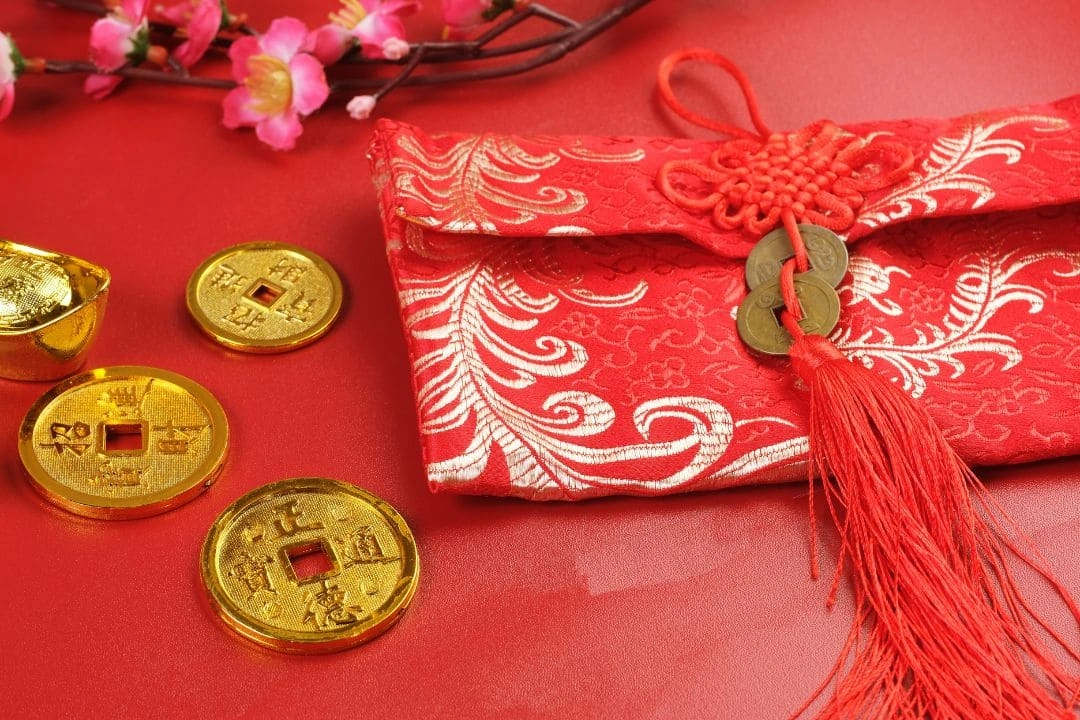
The Chinese character for fortune, fu, appears on countless gold pendants and charms. Coins, ingots, and money bags represent obvious wishes for financial success. Peaches symbolise longevity, making them appropriate gifts for elders. Lotus flowers suggest purity and spiritual growth.
Geometric patterns also carry meaning: endless knots represent interconnection and long life, ruyi sceptres indicate fulfilled wishes, double happiness characters suit newlyweds, and bamboo motifs suggest resilience and integrity.
When choosing symbolic designs, consider your recipient’s current life stage and aspirations. A recent graduate might appreciate wealth symbols, whilst someone recovering from illness would benefit from longevity motifs.
Navigating Gold Purity and Quality Standards
Understanding 24K vs. 18K for Longevity and Investment
Gold purity significantly affects both the appearance and practical value of your purchase. Pure 24-karat gold contains 99.9% gold content, giving it that unmistakable deep yellow colour prized in traditional Chinese jewellery. This purity level dominates the Asian market for good reason: it holds its value better for resale and carries stronger cultural significance.
However, 24K gold is soft. Intricate designs can bend or scratch with regular wear. This softness explains why many Western jewellers favour 18K or 14K gold, which contains other metals for durability.
For Lunar New Year gifting, 24K remains the standard, particularly for investment pieces meant to be stored rather than worn, gifts to elders who will wear pieces occasionally, traditional designs like bangles and simple pendants, and items intended for eventual resale.
Consider 18K for pieces meant for everyday wear, especially rings, delicate chains, and items for active younger recipients. The slight colour difference bothers some traditionalists, but the practical benefits often outweigh this concern.
Identifying Hallmarks and Authenticity
Reputable gold jewellery carries hallmarks indicating purity, manufacturer, and sometimes origin. Learning to read these marks protects you from counterfeits and ensures you’re paying appropriate prices.
In Hong Kong and mainland China, look for markings like “999” or “足金” indicating 24K purity, or “750” for 18K. Singapore uses similar numeric systems.
Beyond hallmarks, assess authenticity through weight (gold is dense, so genuine pieces feel heavier than they look), colour consistency (real gold maintains uniform colour throughout), and magnetic response (gold isn’t magnetic).
Purchase from established jewellers with clear return policies. During Lunar New Year season, some less scrupulous vendors inflate prices or misrepresent purity. Stick to shops with long histories and verifiable reputations.
Styling Gold Jewellery with Traditional and Modern Outfits
Complementing the Classic Red Qipao or Hanfu
Traditional Lunar New Year attire provides the perfect backdrop for gold jewellery.
Qipao styling:
- High collars: pair with drop earrings and bracelets
- Lower necklines: add pendant necklaces that don’t compete with decorative closures
Hanfu styling:
- Layer multiple pieces: hair ornaments, earrings, necklaces, bracelets, and rings
- Abundance of gold aligns with prosperity themes
Colour and scale: Gold complements every shade of red and pink. Match scale to your outfit: delicate pieces suit understated looks, whilst statement gold matches elaborate garments.
Incorporating Gold into Contemporary Festive Fashion
Modern celebrations don't require traditional dress. Gold jewellery bridges cultural symbolism with current fashion.
Three contemporary approaches:
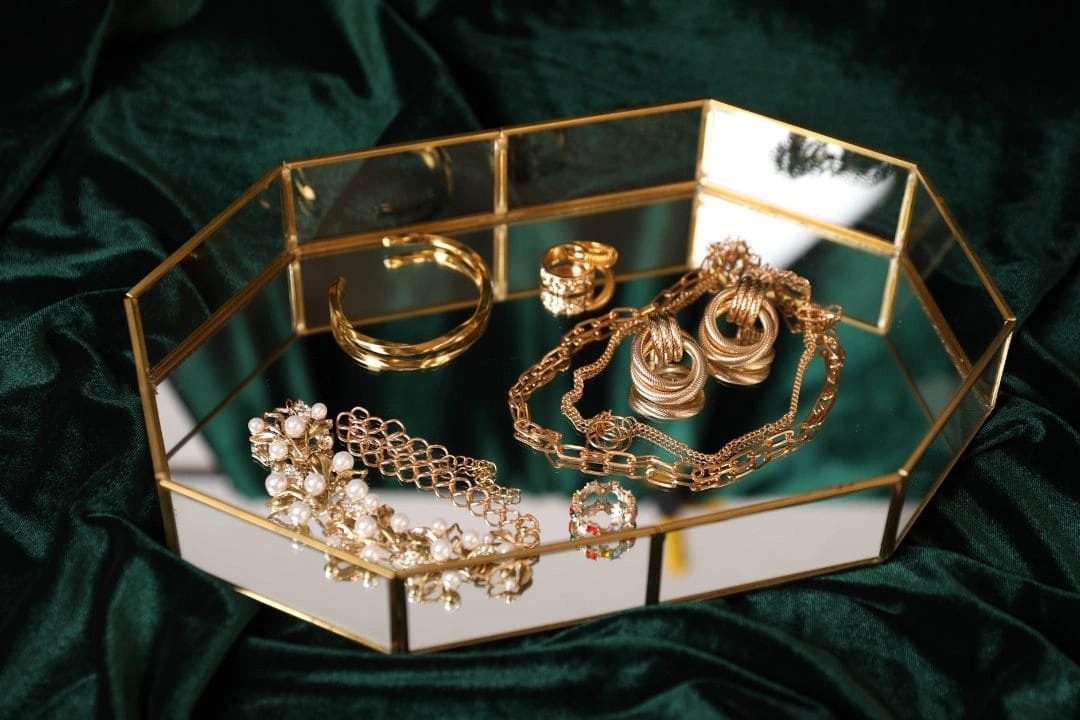
- Single statement piece: One bold bangle or pendant honours tradition without overwhelming minimalist outfits in neutral colours
- Layered delicate pieces: Multiple thin chains or stacked rings suit those who find traditional designs too ornate
- Mixed metals: Incorporate silver or rose gold alongside gold, keeping gold dominant for festive significance
The key is intentionality—consciously connecting with cultural meaning whilst expressing personal style.





Article
How to Choose the Perfect Gold Jewellery for Lunar New Year Celebrations