

Deepavali is one of the most vibrant and widely celebrated festivals in India and among Indian communities worldwide. Marked by the lighting of lamps, sharing of sweets, and joyous gatherings, Deepavali symbolises the victory of light over darkness and good over evil. Among the many customs and traditions associated with this festival, the wearing and gifting of gold jewellery hold a special place. This article explores the cultural, spiritual, and economic significance of gold jewellery during Deepavali celebrations, shedding light on why it remains an enduring tradition.
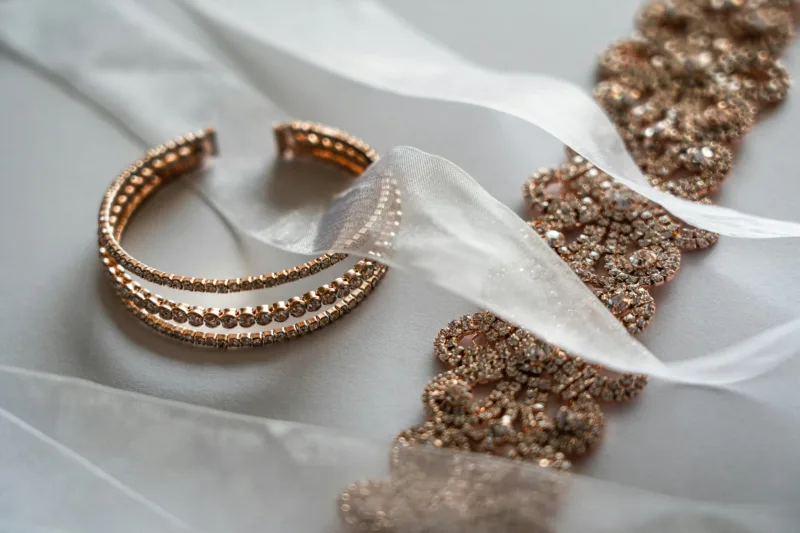
The Cultural Importance of Gold Jewellery During Deepavali
A Symbol of Prosperity and Auspiciousness
Gold has been revered in Indian culture for thousands of years, often seen as a symbol of wealth, purity, and prosperity. During Deepavali, the festival itself is a celebration of abundance and new beginnings, making gold jewellery a fitting adornment. Wearing gold is believed to attract positive energy and good fortune, aligning perfectly with the festival’s themes of light and prosperity.
In many Indian households, it is customary to purchase new gold jewellery during Deepavali. This practice not only marks the occasion with a tangible symbol of wealth but also serves as a way to invite prosperity into the home for the coming year. Gold is often passed down through generations, making it a cherished heirloom that connects families to their heritage and traditions. The act of gifting gold jewellery during this time is also significant, as it strengthens familial bonds and expresses love and goodwill among relatives and friends. In some communities, specific pieces of jewellery are associated with blessings for health and happiness, further enhancing their importance during this auspicious time.
Enhancing Festive Attire and Celebrations
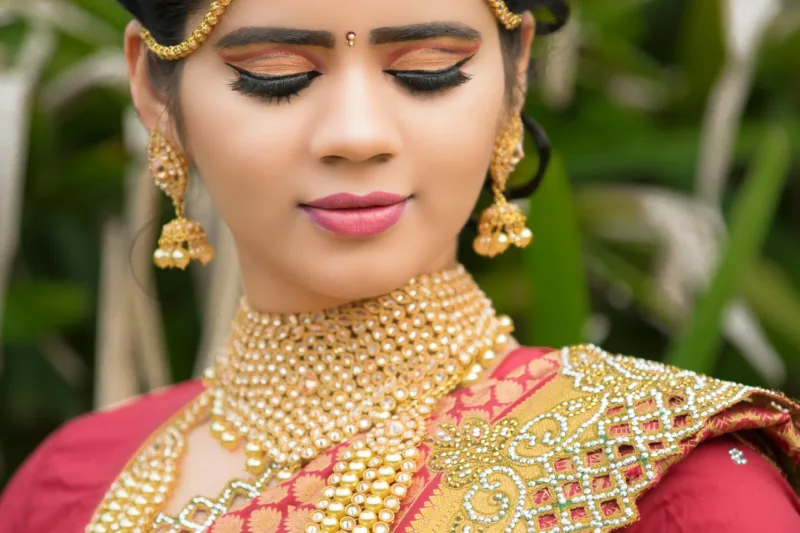
Deepavali is a time when people dress in their finest clothes, often donning traditional attire such as sarees, lehengas, or kurta-pajamas. Gold jewellery complements these outfits beautifully, adding a touch of elegance and grandeur. From intricate necklaces and bangles to delicate earrings and nose rings, gold pieces are carefully chosen to match the festive spirit.
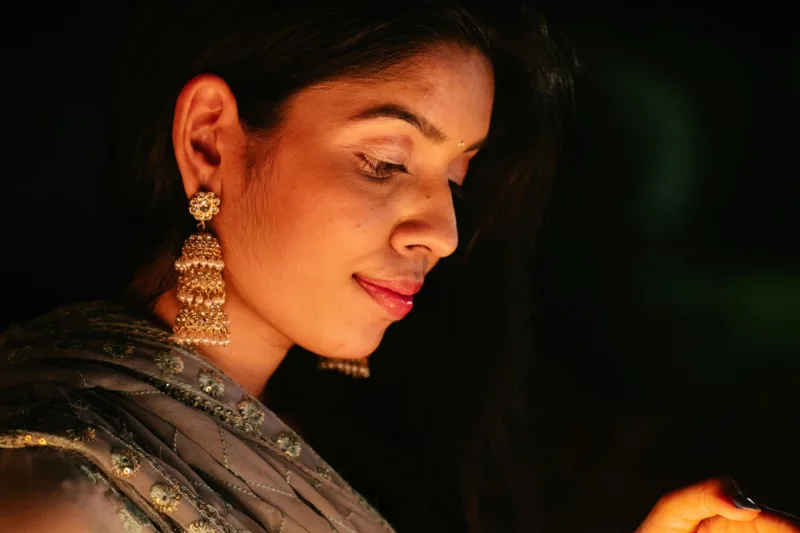
The sparkle of gold jewellery under the glow of oil lamps and fireworks enhances the visual splendor of Deepavali celebrations. The jewellery also serves as a form of self-expression and cultural identity, reflecting the wearer's personal style and regional influences. Many artisans take pride in crafting unique pieces that showcase traditional techniques, such as intricate filigree work or temple designs, which tell stories of mythology and history. This artistry not only elevates the beauty of the jewellery but also preserves cultural narratives, making each piece a conversation starter during festive gatherings. As families come together to celebrate, the shared admiration for these exquisite adornments fosters a sense of unity and pride in their rich cultural heritage.
Spiritual and Religious Significance of Gold in Deepavali
Gold as an Offering to Deities
Deepavali is deeply rooted in Hindu mythology and religious practices. One of the key rituals involves worshipping Goddess Lakshmi, the deity of wealth and prosperity. Devotees believe that Goddess Lakshmi visits homes that are clean, well-lit, and adorned with offerings, bringing blessings for wealth and happiness.
Gold jewellery is often presented as an offering during Lakshmi Puja, symbolising devotion and the desire to invite divine blessings. The purity and value of gold make it an ideal gift to the goddess, reinforcing the spiritual connection between material wealth and divine grace. In many households, the act of placing gold items at the feet of the goddess is accompanied by prayers and mantras, invoking her blessings for abundance and success in the coming year. This ritual not only showcases the reverence for the goddess but also reflects the aspirational nature of devotees who seek to align their material pursuits with spiritual growth.
The Role of Gold in Rituals and Customs
Beyond offerings, gold jewellery plays a role in various Deepavali rituals. For instance, newly married women often receive gold ornaments from their in-laws during the festival, symbolizing their integration into the family and the wish for a prosperous married life. This tradition highlights gold’s role as a medium of blessing and goodwill. The gifting of gold is not merely a transactional act but a profound gesture that signifies love, respect, and the hope for a fruitful future. The weight of the gold often carries with it the weight of familial expectations and the shared dreams of prosperity.
In some regions, gold coins and jewellery are also distributed among family members and friends as tokens of good luck and prosperity. These customs emphasise the communal aspect of Deepavali, where sharing wealth and blessings strengthens social bonds. The act of gifting gold is often accompanied by heartfelt wishes and blessings, reinforcing the idea that wealth should be shared and celebrated within the community. Additionally, many families take this opportunity to reflect on their fortunes and express gratitude for the abundance they have received, further intertwining the spiritual significance of gold with the values of generosity and togetherness that define the festival.
Economic and Social Dimensions of Gold Jewellery in Deepavali
Gold Buying Trends During Deepavali
Deepavali is one of the peak seasons for gold purchases in India, with millions of people buying jewellery and coins as part of their festival preparations. According to industry reports, gold sales can increase by up to 30-40% during this period compared to other months. This surge is driven by both cultural traditions and the perception of gold as a safe investment.
Jewellers often launch special collections and festive offers to attract buyers, making Deepavali an exciting time for consumers looking for exquisite designs and competitive prices. The festival's timing, usually in October or November, coincides with the wedding season as well, further boosting demand for gold jewellery. Many families plan their purchases in advance, visiting multiple stores to compare designs and prices, often leading to a festive atmosphere in local markets. The vibrant displays of gold, adorned with intricate designs and gemstones, create a visual feast that draws in crowds and enhances the celebratory spirit of the season.
Gold as a Financial Security
In many Indian families, gold jewellery is not just ornamental but also a form of financial security. It acts as a liquid asset that can be sold or pledged in times of need. During Deepavali, investing in gold is seen as a prudent financial decision, combining cultural significance with practical value.
This dual role of gold jewellery—as both a decorative item and a financial asset—adds to its importance during the festival. It reflects the deep-rooted belief in gold's enduring worth, transcending generations and economic fluctuations. In rural areas, where access to formal banking services may be limited, gold serves as a vital resource for families, providing a sense of stability and assurance. Additionally, the rising trend of digital gold investment is also gaining traction, allowing people to buy gold in smaller denominations, making it more accessible to a broader audience. This evolution in purchasing methods has further solidified gold's position as a cornerstone of financial planning for many households.
Social Status and Gift-Giving
Giving gold jewellery as gifts during Deepavali is a widespread practice that carries social significance. It is a way to express respect, affection, and social standing. In many communities, gifting gold to elders, children, and newlyweds is a cherished tradition that reinforces family ties and social networks.
The value and craftsmanship of the jewellery often reflect the giver's status and the importance of the relationship. This exchange of gold gifts adds a layer of meaning to the festival, transforming it into a celebration of relationships and community. In urban settings, this practice has evolved to include not just traditional pieces but also contemporary designs that appeal to younger generations. The fusion of modern aesthetics with traditional motifs allows families to express their identity while honoring their heritage. Furthermore, social media plays a significant role in showcasing these gifts, as families share their celebrations online, enhancing the visibility of their cultural practices and the importance of gold in their lives. This blend of tradition and modernity continues to shape the narrative around gold jewellery during Deepavali, making it a vibrant part of the festival's social fabric.
Contemporary Perspectives on Gold Jewellery and Deepavali
Modern Designs and Trends
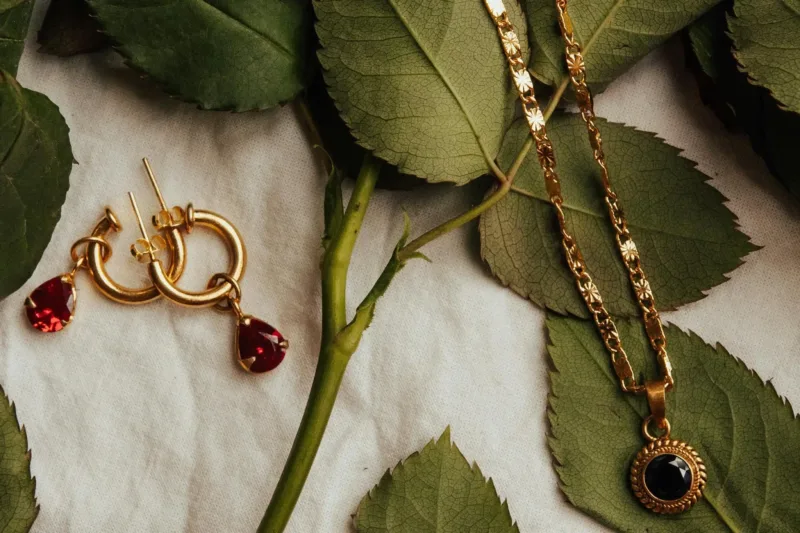
While traditional gold jewellery remains popular, contemporary designs have gained traction among younger generations. Modern gold pieces often blend traditional motifs with minimalist and innovative styles, appealing to diverse tastes. This evolution reflects changing fashion sensibilities while maintaining cultural roots.
Jewellers now offer a wide range of options, from lightweight everyday wear to elaborate statement pieces, catering to different preferences and budgets. The integration of technology, such as 3D printing and computer-aided design, has also enhanced the precision and creativity in gold jewellery making.
Ethical and Sustainable Considerations
With growing awareness of ethical sourcing and environmental impact, many consumers are becoming more conscious about where and how their gold is sourced. Responsible jewellery brands emphasise transparency, fair trade practices, and sustainability, aligning with the values of modern Deepavali celebrants.
This shift encourages a more mindful approach to gold jewellery purchases, ensuring that the beauty and significance of the pieces are matched by ethical integrity. It also adds a new dimension to the tradition, blending heritage with contemporary social responsibility.
Digital Shopping and Accessibility
The rise of e-commerce has transformed how people buy gold jewellery during Deepavali. Online platforms offer convenience, competitive pricing, and a vast selection, making it easier for buyers to find the perfect pieces. Virtual try-ons and detailed product descriptions enhance the shopping experience, especially for those unable to visit physical stores.
This digital shift has expanded the reach of Deepavali jewellery traditions beyond geographical boundaries, allowing the diaspora to participate in the festival with authentic gold jewellery from their homeland.
Conclusion: Gold Jewellery as a Timeless Deepavali Tradition
Gold jewellery holds a multifaceted significance in Deepavali celebrations, intertwining cultural heritage, spiritual beliefs, economic value, and social customs. It embodies the festival's essence—celebrating light, prosperity, and new beginnings—while serving as a bridge between generations and communities.
As Deepavali continues to evolve in the modern world, gold jewellery remains a cherished symbol of tradition and celebration. Whether worn as a personal adornment, gifted to loved ones, or offered in devotion, gold enriches the festival with its timeless beauty and profound meaning.
For those celebrating Deepavali, embracing the tradition of gold jewellery is not only about honoring the past but also about investing in a future filled with hope, prosperity, and light.





Article
The Significance of Gold Jewellery in Deepavali Celebrations
Gold jewellery holds deep cultural and spiritual meaning during Deepavali, symbolising prosperity and good fortune. In Singapore, families often buy or gift gold ornaments to mark the festival, blending traditional values with modern jewellery trends. This timeless tradition continues to add sparkle and blessings to the celebrations.