

Gold and diamonds have captivated humanity for centuries — but as investments, they couldn’t be more different. Here’s everything you need to know, broken down simply.
Gold vs. Diamonds: The Core Difference
Gold is like money.
- Standardised, liquid, and traded globally
- One ounce of gold = one ounce of gold, anywhere in the world
- Price is transparent and publicly available 24/7
Diamonds are like art.
- Every stone is unique — graded on cut, clarity, colour, and carat
- Pricing is subjective and often opaque
- Finding the right buyer takes time and expertise
Liquidity: How Easily Can You Sell?
Gold ✅ Very easy
- Sell at any coin dealer, pawn shop, or online platform
- You’ll typically receive within 2–5% of the spot price
- Gold ETFs offer near-instant liquidity
Diamonds ❌ Much harder
- Most sellers recover only 20–50% of their purchase price
- Retail jewellers rarely buy back at fair value
- Exceptional stones may sell at auction — but that takes months
Historical Performance
Gold has stood the test of time as a safe-haven asset.
- Rose 25% during the 2008 financial crisis
- Hit all-time highs above SGD $2,700 per ounce during the 2020 pandemic
- Central banks worldwide hold it as a reserve asset
Diamonds have a more complicated story.
- Prices were historically controlled by De Beers to maintain artificial scarcity
- Since De Beers lost its monopoly, prices have become less predictable
- Rare stones (e.g. Argyle pink diamonds) have appreciated sharply — but these are the exception, not the rule
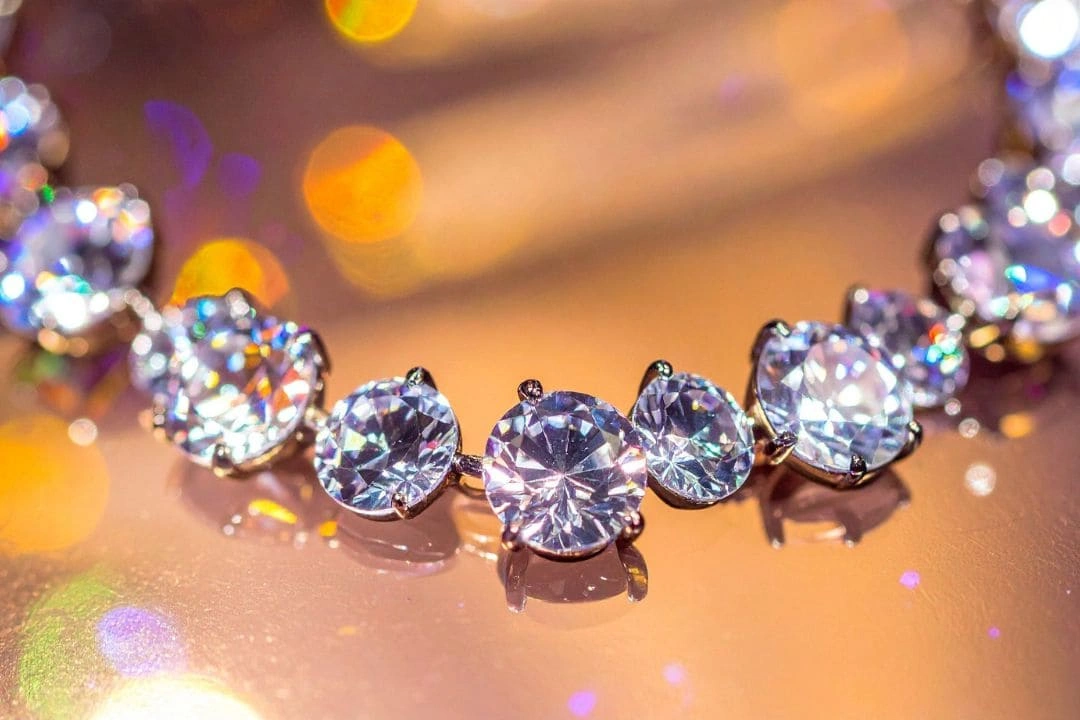
The Lab-Grown Diamond Problem
This is a big one for investors.
Lab-grown diamonds are chemically identical to mined diamonds — and they now sell for 30–50% less.
- Major retailers sell them alongside natural stones
- Younger buyers increasingly prefer them for ethical reasons
- This puts downward pressure on natural diamond values over the long term
Gold? There’s no lab equivalent. It cannot be synthesised economically. That scarcity is permanent.
Storage & Ongoing Costs
| Gold | Diamonds | |
| Storage cost | SGD $180–$550/year | Lower physical cost, but… |
| Insurance | Minimal for ETFs | 1–2% of appraised value/year |
| Maintenance | None | Certificates must be maintained; stones can chip |
| ETF option | ✅ Yes | ❌ No equivalent |
The Verdict
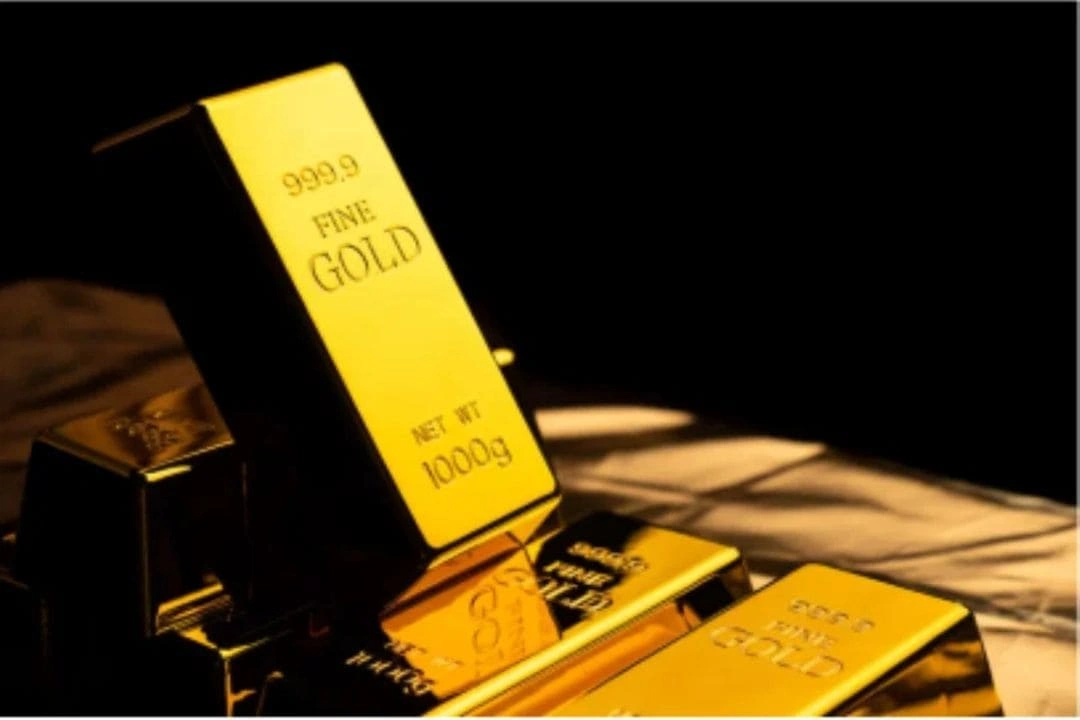
For most investors, gold is the clear winner.
- Easy to buy and sell
- Transparent pricing
- Proven hedge against inflation and market downturns
- No specialist knowledge required
Diamonds can work — but only if:
- You buy at wholesale prices
- You have gemological expertise or strong dealer connections
- You’re focusing on rare, investment-grade stones (fancy coloured diamonds, large exceptional pieces)
- You’re prepared to wait years for the right buyer
Rule of thumb: Treat diamonds as a luxury purchase you happen to own. Treat gold as an investment.





Article
What Is A Better Investment: Gold or Diamond?