

Gold jewellery holds a special place in Indian culture, symbolizing wealth, tradition, and auspiciousness. For Indian Singaporeans, this cultural affinity remains strong even while living in a multicultural and modern city-state. Understanding when Indian Singaporeans typically buy gold jewellery offers insights into their cultural practices, economic considerations, and social customs. This article explores the key occasions, motivations, and trends that influence gold jewellery purchases among Indian Singaporeans.
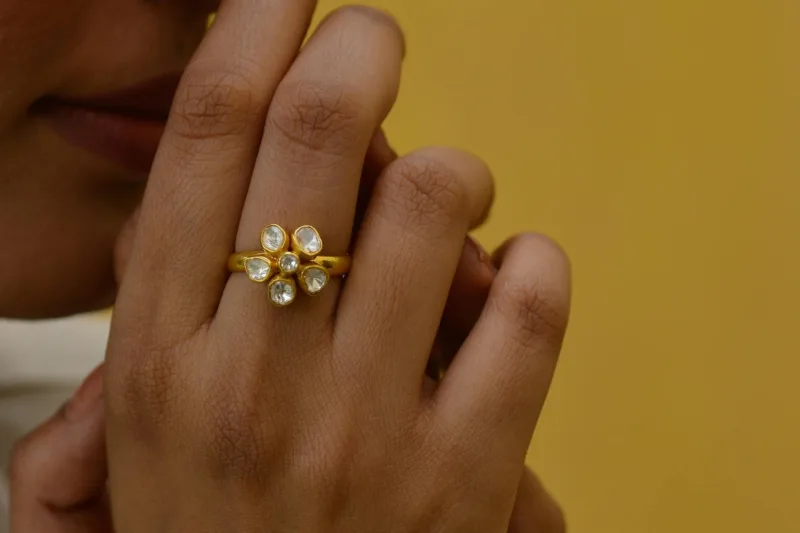
Cultural and Religious Festivals: The Prime Time for Gold Purchases
Deepavali: The Festival of Lights and Prosperity
Deepavali, also known as Diwali, is one of the most significant festivals celebrated by Indian communities worldwide, including Indian Singaporeans. It marks the victory of light over darkness and good over evil. Traditionally, Deepavali is considered an auspicious time to buy gold jewellery as it symbolises prosperity and good fortune.
Many Indian Singaporeans purchase gold jewellery during the weeks leading up to Deepavali. Jewellery stores often launch special promotions and new collections to attract buyers during this period. According to a 2022 survey by the Singapore Indian Chamber of Commerce and Industry, over 60% of Indian Singaporeans reported buying gold jewellery around Deepavali, making it the peak buying season.
The festival is not just a time for shopping. It is a vibrant celebration filled with cultural activities, family gatherings, and community events. Homes are adorned with colourful rangoli designs, and families come together to perform prayers and rituals, seeking blessings for health and prosperity. The air is filled with the aroma of traditional sweets and snacks, further enhancing the festive spirit. Many families also participate in charitable acts during this time, donating to those in need, which reflects the festival’s underlying message of spreading light and joy.
Akshaya Tritiya: The Auspicious Day for Investments
Akshaya Tritiya, which usually falls in April or May, is another highly auspicious day in the Hindu calendar for buying gold. The word "Akshaya" means "never diminishing," and purchasing gold on this day is believed to bring lasting wealth and good luck.
Jewellery shops in Singapore often see a surge in sales on Akshaya Tritiya, with many Indian Singaporeans choosing this day to invest in gold jewellery. This tradition is deeply rooted in the belief that gold bought on this day will multiply in value and blessings.
On Akshaya Tritiya, families often gather to perform rituals that honor the goddess Lakshmi, the deity of wealth and prosperity. Many also choose to invest in gold coins or bars, viewing these purchases as a secure form of wealth that can be passed down through generations. The day is marked by a sense of optimism, with many believing that investments made on this day will yield fruitful returns, both materially and spiritually. Additionally, community events and fairs are organised, where people come together to celebrate the occasion with music, dance, and traditional food, further enhancing the festive atmosphere.
Other Religious Occasions and Rituals
Besides Deepavali and Akshaya Tritiya, other festivals such as Navratri, Pongal, and Tamil New Year also prompt gold jewellery purchases, though to a lesser extent. These occasions often involve family gatherings and religious ceremonies where gifting or wearing gold jewellery is customary.
For example, during Navratri, some Indian Singaporeans buy gold jewellery as part of the celebrations honoring the goddess Durga. Similarly, weddings and naming ceremonies frequently involve gifting gold jewellery as a symbol of blessings and prosperity.
During Pongal, the harvest festival celebrated predominantly in Tamil culture, gold jewellery is often gifted to signify gratitude for the bountiful harvest and to invoke blessings for future prosperity. The festival is characterised by cooking traditional dishes and engaging in community festivities, where the exchange of gold items serves as a token of love and goodwill among families and friends. Furthermore, the Tamil New Year brings with it a sense of renewal, where families often invest in gold as a way to start the year on a prosperous note. These rituals not only strengthen familial bonds but also reinforce cultural traditions that have been passed down through generations, making each occasion a cherished event in the lives of Indian Singaporeans.

Weddings and Life Milestones: Gold as a Symbol of Commitment and Status
Gold Jewellery in Indian Weddings
Weddings are arguably the most significant occasion for buying gold jewellery among Indian Singaporeans. Gold is not only a symbol of wealth but also an essential part of bridal adornment and dowry traditions.
Indian weddings in Singapore often feature elaborate gold jewellery sets, including necklaces, bangles, earrings, and waistbands. Families invest heavily in gold jewellery to showcase social status and to honor cultural customs. According to a 2023 report by the Singapore Wedding Association, approximately 75% of Indian weddings in Singapore involve purchasing new gold jewellery specifically for the bride.
The intricate designs of gold jewellery often reflect the rich heritage and artistry of Indian craftsmanship. Many pieces are adorned with precious stones, intricate engravings, and traditional motifs that tell a story of love and commitment. The process of selecting these pieces can be a family affair, with generations coming together to choose the perfect designs that resonate with their cultural identity. Additionally, many families opt for bespoke pieces, ensuring that the jewellery is not only a symbol of status but also a unique representation of their family’s legacy.
Milestone Celebrations: Birthdays, Anniversaries, and Naming Ceremonies
Beyond weddings, Indian Singaporeans often buy gold jewellery to commemorate important life milestones. Birthdays, especially the 18th and 21st, are celebrated with gifts of gold jewellery to mark the transition into adulthood. Similarly, wedding anniversaries, particularly the 25th and 50th, are occasions for gifting gold as a symbol of enduring love and prosperity.
Naming ceremonies for newborns are another key event where gold jewellery is gifted, symbolizing a blessing for the child's future. These traditions reinforce the cultural significance of gold as more than just an adornment but as a token of goodwill and familial bonds.
Moreover, the gifting of gold during these milestones often comes with rituals that enhance the emotional value of the jewellery. For instance, during naming ceremonies, the gold gifted is sometimes placed in the child's cradle as a protective charm, believed to bring good fortune and health. In the case of anniversaries, couples may choose to renew their vows while exchanging gold jewellery, thus intertwining the act of gifting with the reaffirmation of their love. Such practices not only celebrate individual milestones but also strengthen familial ties, as the act of giving gold often involves blessings and well-wishes from extended family and friends.

Economic Factors and Investment Considerations
Gold as a Safe Investment
For many Indian Singaporeans, buying gold jewellery is not only about cultural or religious significance but also about financial security. Gold is widely regarded as a safe investment, especially in times of economic uncertainty. Its intrinsic value and historical resilience make it a preferred choice for those looking to safeguard their wealth against inflation and currency fluctuations.
Singapore's stable economy and transparent gold market make it an attractive place for purchasing gold. Indian Singaporeans often buy gold jewellery during periods of economic volatility or when gold prices are favorable. The ability to resell gold jewellery in the local market or internationally adds to its appeal as a liquid asset. Additionally, the emotional connection to gold, often passed down through generations, enhances its value beyond mere financial considerations, making it a cherished investment for many families.
Price Trends and Timing Purchases
Gold prices fluctuate based on global economic conditions, currency strength, and geopolitical factors. Indian Singaporeans who are savvy buyers often monitor these trends to time their purchases. For instance, some may wait for gold prices to dip before buying jewellery for upcoming festivals or weddings. Understanding the cyclical nature of gold prices can empower buyers to make informed decisions, allowing them to maximise their investment while honoring their cultural traditions.
Jewellery retailers in Singapore also offer seasonal discounts and promotions, which can influence the timing of purchases. For example, sales events during the Great Singapore Sale or year-end festivities may coincide with cultural buying seasons, providing additional incentives. Furthermore, many retailers now offer online platforms that allow customers to track price trends and receive alerts when prices drop, making it easier than ever for Indian Singaporeans to navigate the gold market. This blend of modern technology with traditional buying practices ensures that buyers can make purchases that are both economically sound and culturally meaningful.
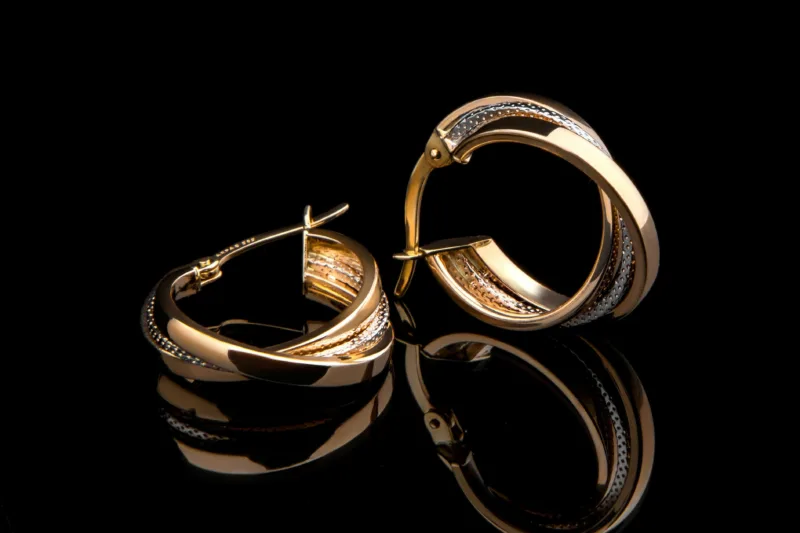
Modern Trends and Changing Preferences
Shifts in Jewellery Styles and Preferences
While traditional gold jewellery remains popular, there is a noticeable shift towards contemporary designs among younger Indian Singaporeans. Minimalist and fusion styles that blend Indian motifs with modern aesthetics are gaining traction.
This trend reflects the evolving identity of Indian Singaporeans who balance cultural heritage with cosmopolitan lifestyles. Jewellery brands in Singapore are responding by offering a wider range of styles, including lighter pieces suitable for daily wear and office settings.
Online Shopping and Digital Influence
The rise of e-commerce has transformed how Indian Singaporeans buy gold jewellery. Online platforms provide convenience, competitive pricing, and access to a broader selection. During the COVID-19 pandemic, many turned to online shopping for gold jewellery, a trend that continues today.
Social media also plays a role in influencing buying decisions, with influencers and jewellery designers showcasing new collections and styling tips. This digital shift complements traditional buying habits, especially among tech-savvy younger generations.
Conclusion: The Intersection of Tradition, Economy, and Modernity
For Indian Singaporeans, buying gold jewellery is a multifaceted practice deeply rooted in cultural traditions and religious beliefs. Festivals like Deepavali and Akshaya Tritiya, weddings, and life milestones remain the primary occasions for purchasing gold. At the same time, economic considerations and investment motives influence buying patterns, reflecting a pragmatic approach to this cherished metal.
Modern trends, including evolving jewellery styles and the rise of online shopping, demonstrate how Indian Singaporeans are adapting their gold-buying habits to contemporary lifestyles while preserving cultural significance. Understanding these dynamics offers valuable insights into the vibrant and enduring relationship between Indian Singaporeans and gold jewellery.





Article
When Do Indian Singaporeans Typically Buy Gold Jewellery?
Gold holds deep cultural and financial value for Indian Singaporeans. From festivals like Deepavali and Akshaya Tritiya to weddings and milestone celebrations, buying gold jewellery is a cherished tradition that blends prosperity with family bonds.