

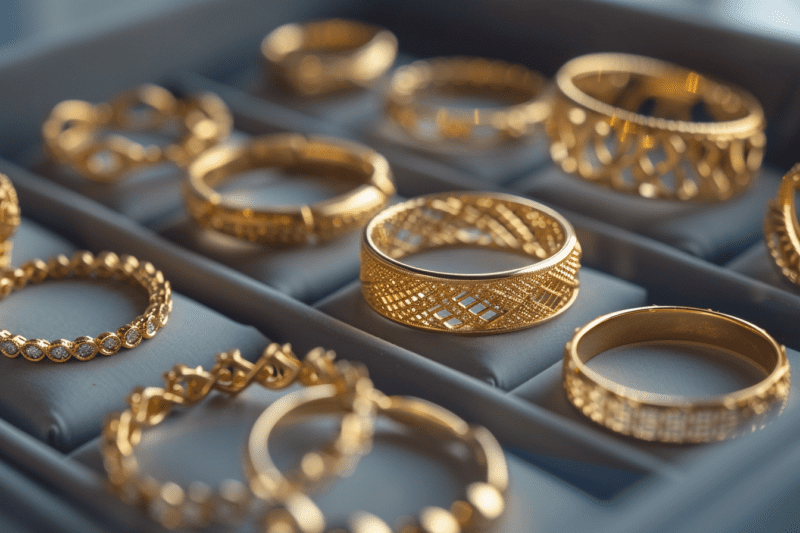
Gold rings hold a special place in the hearts of people around the world. Throughout history, they have served as symbols of everlasting love and commitment. From ancient civilisations to modern-day fashion trends, gold rings have left an indelible mark on our culture and society. In this article, we will explore the historical significance, cultural interpretations, and symbolism in literature and art, as well as the modern and future implications of gold rings.
The Historical Significance of Gold Rings
Ancient Civilisations and Their Use of Gold Rings
In the ancient world, gold rings were treasured possessions that represented status, power, and wealth. Civilisations such as the Egyptians, Greeks, and Romans considered gold to be a sacred metal, associating it with deities and the divine. Gold rings adorned the fingers of pharaohs, kings, and queens, serving as symbols of their ruling authority. These rings were not only ornamental but also acted as seals for important documents.
Similarly, ancient Greeks bestowed gold rings upon warriors and athletes as a mark of honour and achievement. These rings symbolised victory and were also used as seals to authenticate important correspondence. The Romans, on the other hand, used gold rings as a demonstration of wealth and social status. Elaborate designs featuring precious gemstones were popular among the elite.
Gold Rings in Medieval Times
The Middle Ages witnessed a shift in the significance of gold rings. Rather than being associated solely with power and wealth, they became symbols of love and union. The exchange of gold rings during weddings became a common practice in Europe, signifying the eternal bond between two individuals. These rings were often engraved with intricate designs and inscriptions, adding a personalised touch to this age-old tradition.
During this period, gold rings also held religious significance. Monks and nuns wore simple gold bands as a symbol of their commitment to their faith. These rings were a constant reminder of their vows and served as a tangible representation of their spiritual journey.
The Victorian Era and the Rise of Gold Wedding Rings
During the Victorian era, there was a resurgence of interest in sentimental symbolism. Gold wedding rings took centre stage as a prominent token of love and commitment. Queen Victoria herself popularised the tradition of wearing engagement and wedding rings, setting a trend that has endured to this day. The use of intricate designs, such as filigree and engraved patterns, became prevalent during this time period.
Furthermore, the Victorian era saw the introduction of sentimental motifs in gold rings. Lockets and hidden compartments were incorporated into the design, allowing individuals to keep cherished mementoes close to their hearts. These hidden elements added an element of mystery and personal significance to the already meaningful gold rings.
Cultural Interpretations of Gold Rings
Gold Rings in Western Cultures
In Western cultures, gold rings have a deep-rooted significance in various aspects of life. Apart from being a symbol of everlasting love, they are often passed down through generations, carrying sentimental value and family history. Additionally, gold rings are frequently worn as fashion accessories, expressing personal style and taste. Fashion trends may fluctuate, but the elegance and timeless appeal of gold rings endure.
Moreover, gold rings have been associated with significant milestones in Western societies. They are commonly exchanged during weddings as a symbol of commitment and unity between partners. The act of exchanging rings dates back centuries and is a tradition that continues to hold great importance in modern times. Gold rings are not just accessories but tangible representations of love and devotion.
Eastern Perspectives on Gold Rings
Eastern cultures also hold gold rings in high regard. In many Asian countries, they are believed to attract good fortune and ward off evil spirits. Gold rings are often gifted to newborns, symbolising blessings for a prosperous life ahead. In some cultures, they are also worn as a form of protection and as a status symbol, reflecting societal position and wealth.
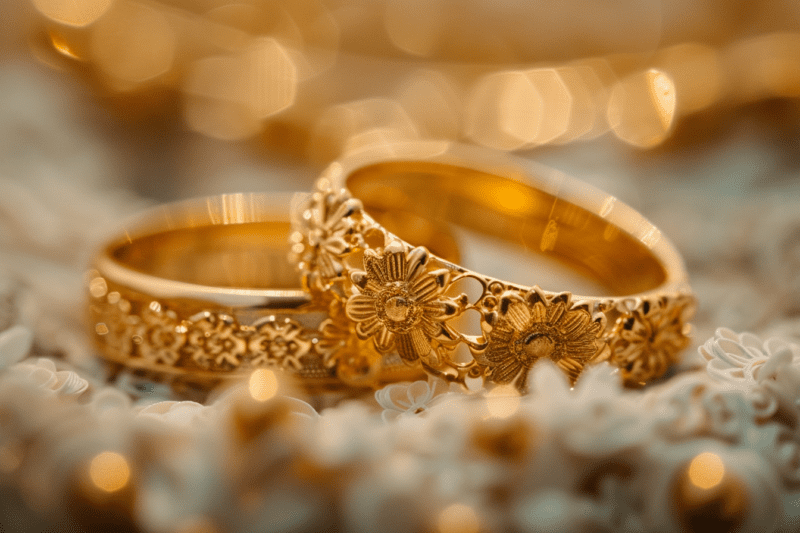
Furthermore, gold rings in Eastern cultures are intricately designed with auspicious symbols and motifs that hold cultural significance. These symbols may vary from region to region but often represent prosperity, longevity, and happiness. The craftsmanship involved in creating these rings is a revered art form, with skilled artisans dedicating their time and expertise to produce intricate pieces that are not only beautiful but also carry deep cultural meanings.
The Symbolism of Gold Rings in Literature and Art
Gold Rings in Classic Literature
Gold rings have been featured prominently in classic literature, representing love, loyalty, and eternity. In William Shakespeare's plays, for example, gold rings serve as tokens of affection, symbolising the unbreakable bond between characters. In the famous tragedy "Romeo and Juliet," the exchange of gold rings between the young lovers signifies their commitment and desire for a lifelong union.
Furthermore, in Jane Austen's novel "Pride and Prejudice," the gold ring that Mr. Darcy gives to Elizabeth Bennet symbolises his enduring love and devotion towards her, despite the obstacles they face. The intricate design and precious metal of the ring reflect the depth of his feelings and his willingness to overcome societal constraints for their relationship.
Depictions of Gold Rings in Visual Art
Throughout history, visual artists have captured the allure of gold rings in their masterpieces. Paintings and sculptures often depict the opulence and beauty of gold rings, highlighting their status as items of desire and admiration. From Renaissance portraits to contemporary art, the depiction of gold rings adds an element of luxury and sophistication to the artwork.
Moreover, in the iconic painting "The Arnolfini Portrait" by Jan van Eyck, the gold wedding ring on the finger of the bride symbolises fidelity and unity in marriage. The intricate details of the ring, including engravings and gemstones, showcase the importance placed on this symbol of eternal love in the 15th century. The reflection of the ring in the convex mirror behind the couple further emphasises its significance in the composition, drawing the viewer's attention to the enduring nature of their union.
The Modern Significance of Gold Rings
Gold Rings in Contemporary Fashion
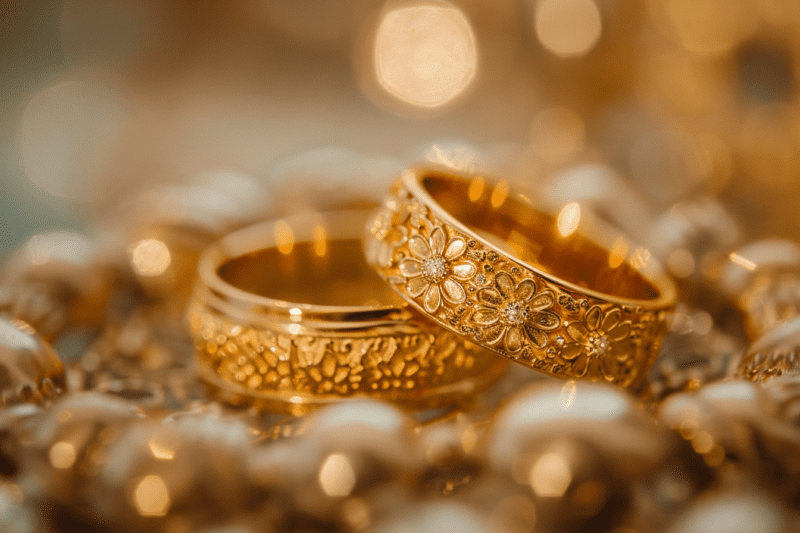
In the realm of modern fashion, gold rings continue to be sought-after accessories. Designers constantly reinvent classic and contemporary styles, providing individuals with a wide range of options to express their personal flair. From minimalist bands to bold statement pieces, gold rings enhance any outfit and make a lasting impression.
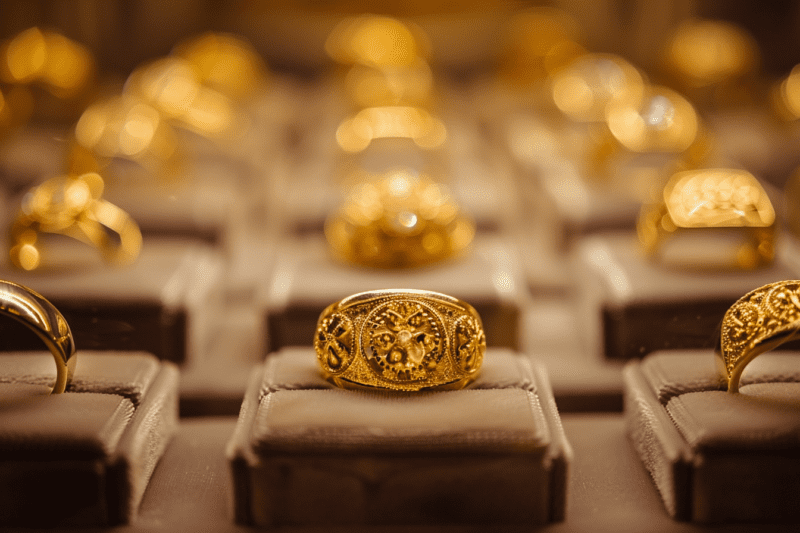
Gold rings have a rich history dating back centuries, symbolising wealth, power, and status. In ancient civilisations, such as Egypt and Rome, gold rings were worn as a sign of prestige and were often adorned with intricate engravings and gemstones. Today, the allure of gold rings endures, blending tradition with contemporary style to create timeless pieces that captivate the modern wearer.
Gold Rings and Modern Wedding Traditions
Although the tradition of exchanging gold rings during weddings remains steadfast, modern couples are redefining what these rings symbolise. Beyond love and commitment, gold rings now represent equality, partnership, and shared values. Couples often choose unique designs that reflect their individuality and personal stories, further enhancing the emotional significance of these timeless symbols.
Gold rings are not just symbols of love and unity but also serve as tangible reminders of the promises made on one's wedding day. The craftsmanship and design of these rings hold sentimental value, passed down through generations as cherished heirlooms. As couples embrace modern wedding traditions, the exchange of gold rings continues to be a poignant and meaningful ritual that celebrates the enduring bond between two individuals.
The Future of Gold Rings
Sustainability and Ethical Concerns in Gold Mining
As we move towards a more sustainable future, the gold industry faces challenges in ensuring ethical and environmentally conscious sourcing of the precious metal. Companies and consumers are increasingly demanding transparency and responsible practices. This shift is leading to innovations in gold mining methods, such as the use of environmentally friendly extraction techniques and increased recycling of old gold jewellery.
One significant development in the gold mining industry is the adoption of Fairtrade and Fairmined standards. These certifications ensure that gold is sourced responsibly, with miners receiving fair wages and working in safe conditions. By supporting these ethical practices, consumers can make a positive impact on the lives of miners and their communities, promoting a more sustainable and socially responsible gold industry.
Innovations in Gold Ring Design
The future holds exciting possibilities for gold ring design. Advancements in technology and manufacturing techniques allow for greater creativity and customisation. From 3D-printed rings to unique alloys, designers can craft intricate and innovative gold rings that cater to individual preferences. Furthermore, the integration of sustainable materials and gemstones adds a contemporary twist to traditional gold ring designs.
Another trend in gold ring design is the resurgence of vintage and antique styles. Inspired by the elegance of bygone eras, designers are incorporating intricate filigree work, milgrain detailing, and colourful gemstones to create timeless pieces with a modern touch. This blend of old-world charm and contemporary aesthetics offers a unique and nostalgic appeal to those seeking a truly distinctive gold ring.
In conclusion, gold rings have been cherished and revered throughout history for their symbolism and beauty. From ancient civilisations to modern-day lifestyles, they continue to evoke emotions of love, commitment, and status. As the world evolves, so too does the significance and design of gold rings. Whether as heirlooms, fashion accessories, or symbols of eternal love, they remain cherished symbols of everlasting love and commitment.





Article
Gold Rings: A Symbol of Everlasting Love and Commitment Throughout History
From ancient civilisations to modern times, these timeless pieces of jewellery have marked significant moments of love, unity, and devotion. Discover the rich history behind gold rings and why they continue to be the ultimate emblem of enduring affection.