

In the enchanting world of jewellery making, the creation of a gold pendant is a true artistic endeavour. From its humble beginnings as a concept to the final masterpiece, every step in the process requires meticulous craftsmanship and attention to detail. Join us on a fascinating journey as we delve into the intricate stages that bring a gold pendant to life.
Understanding the Concept of a Gold Pendant
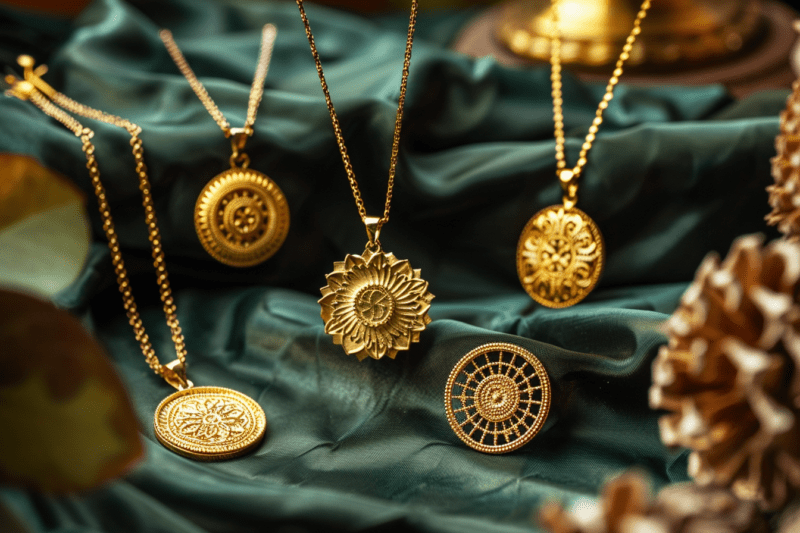
Before a gold pendant can be brought into existence, a deep understanding of the concept behind its design is essential. Each pendant carries its own unique story, often inspired by enchanting tales of history, nature, or personal symbolism.
Delving into the world of gold pendants unveils a realm where craftsmanship meets creativity, and tradition intertwines with innovation. The intricate process of designing a gold pendant involves not only technical skill but also a profound appreciation for the artistry that goes into transforming a simple piece of metal into a work of wearable art.
The Inspiration Behind Pendant Designs
The beauty of a gold pendant lies not only in its physical form but also in the story it encapsulates. Jewellery designers draw inspiration from a myriad of sources – from ancient civilisations to contemporary art movements. The fusion of creativity and cultural influences gives birth to intricate patterns, symbolic motifs, and breathtaking designs.
Exploring the origins of pendant designs reveals a rich tapestry of history and symbolism. From the intricate filigree work of the Victorian era to the bold geometric shapes of the Art Deco period, each design reflects the aesthetic preferences and societal values of its time. The evolution of pendant styles over the centuries showcases the enduring appeal of gold as a medium for artistic expression.
The Significance of Gold in Jewellery Making
Gold has long been revered for its timeless beauty and intrinsic value. Its rarity and malleability make it the perfect material for crafting exquisite jewellery. The lustrous yellow metal symbolises wealth, luxury, and enduring elegance, making it the perfect choice for a pendant destined to become a cherished heirloom.
Throughout history, gold has held a special place in the hearts of jewellery enthusiasts and collectors alike. The allure of gold lies not only in its radiant appearance but also in its ability to withstand the test of time, both physically and symbolically. As a symbol of purity and prosperity, gold transcends mere ornamentation to become a statement of status and sophistication.

The Design Process of a Gold Pendant
Once the concept is crystallised, the design process kicks into high gear. The transformation of a mere idea into a tangible work of art requires a blend of artistic vision and technical expertise.
Creating a gold pendant is a meticulous process that involves a deep understanding of both the materials used and the desired aesthetic outcome. From the initial spark of inspiration to the final polished piece, each step is crucial in bringing the design to life.
Initial Sketching and Design Refinement
The journey begins with the skilled hands of jewellery designers sketching their ideas on paper. These initial sketches capture the essence of the envisioned pendant, allowing for further refinement and exploration of its form, dimensions, and embellishments. With each stroke of the pencil, the design takes shape and evolves.
Delving into the world of design refinement, designers often seek inspiration from a myriad of sources, such as nature, architecture, or even historical artefacts. This process of iteration and exploration is essential in honing the design to its most exquisite form, ensuring that every curve and contour is meticulously crafted to perfection.
The Role of Technology in Jewellery Design
As technology continues to advance, it has found its place in the realm of jewellery design. Cutting-edge computer-aided design (CAD) software empowers jewellery designers to bring their creations to life in a virtual environment. This digital representation enables them to explore various angles, simulate different materials, and fine-tune intricate details before venturing into the physical realm.
Furthermore, the integration of 3D printing technology has revolutionised the way jewellery prototypes are created. Designers can now swiftly translate their digital designs into tangible models, allowing for a more efficient and precise prototyping process. This seamless fusion of traditional craftsmanship with modern technology has opened up a world of possibilities in the realm of jewellery design.
From Design to Wax Model
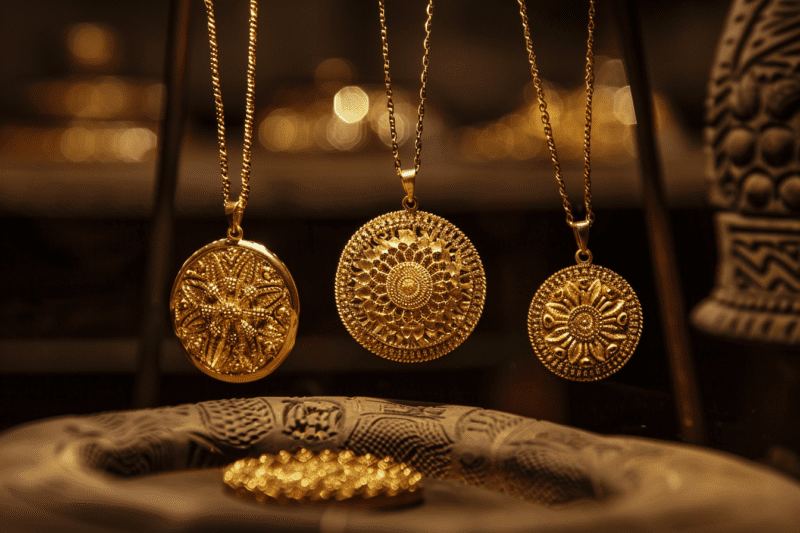
With the design finalised, the transition from paper to a tangible form takes place. At this stage, the pendant design is transformed into a three-dimensional wax model, a crucial step in the jewellery-making process.
The Art of Wax Carving in Jewellery
Skilled artisans adeptly carve the wax model, bringing intricate designs to life with precision and artistry. This ancient technique requires a delicate touch as the artists meticulously shape the wax, translating the design into a tangible sculpture.
The Transition from Paper to Wax
As the talented craftsmen work their magic, the wax model emerges, capturing the essence of the envisioned pendant. The transformation from a two-dimensional drawing to a three-dimensional wax model is an exhilarating moment, breathing life into the design and paving the way for the next stage of the journey.
Once the wax model is completed, it undergoes a meticulous inspection to ensure that every detail matches the original design. This quality control step is crucial in maintaining the integrity of the piece and upholding the standards of craftsmanship.
Furthermore, the wax model serves as a prototype for the final piece, allowing designers and artisans to make any necessary adjustments before moving on to the next stage of production. This iterative process ensures that the final product meets the exact specifications and vision of the designer, resulting in a piece of jewellery that is not only beautiful but also crafted with precision and care.
The Casting Process
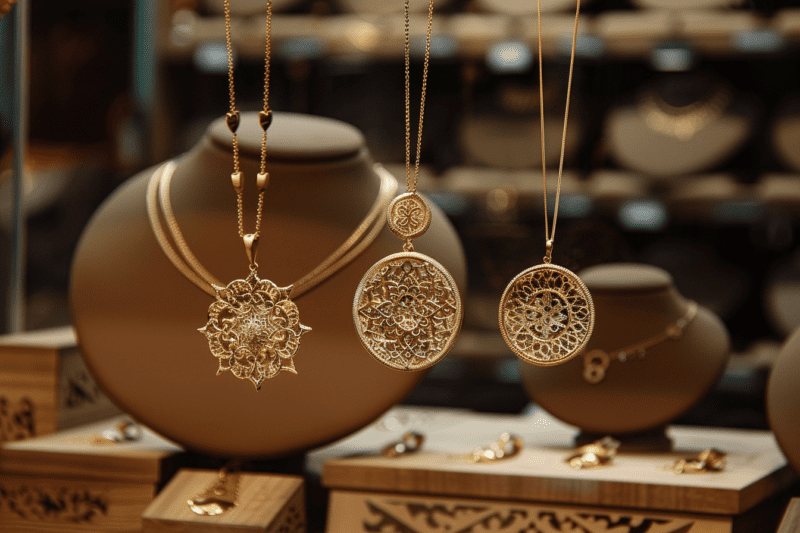
The casting process is the pivotal moment where the wax model is transformed into a glorious gold pendant, bringing dreams to reality.
Introduction to Gold Casting
The art of gold casting has been perfected over centuries. Skilled artisans utilise various techniques, such as investment casting, to ensure the precise reproduction of the wax model in gold. This intricate process requires the creation of a mould and the careful pouring of molten gold, resulting in the formation of a gold pendant that faithfully reflects the original design.
Gold casting is a craft steeped in tradition and innovation. The techniques passed down through generations are combined with modern technology to create exquisite pieces of jewellery that stand the test of time. Each step in the casting process is meticulously executed to ensure the final product meets the highest standards of quality and beauty.
The Transformation from Wax to Gold
As the molten gold cools and solidifies within the mould, the wax melts away, leaving its imprint engraved in the gold. The pendant emerges, radiant in its golden glory, showcasing the intricate details and fine craftsmanship that have gone into its creation.
The transition from wax to gold is a moment of magic in the casting process. The alchemy of heat and metal transforms a humble wax model into a precious golden pendant, ready to adorn its wearer with elegance and grace. Each piece created through this process carries with it a story of skill, dedication, and artistry, making it not just a piece of jewellery, but a work of art to be cherished for generations to come.

The Finishing Touches
Now that the gold pendant has taken its final form, the meticulous process of refining and polishing begins, adding the alluring finishing touches that enhance its beauty and elegance.
Polishing and Refining the Gold Pendant
Highly skilled artisans employ their expertise to meticulously polish and refine the gold pendant. Each curve and crevice is carefully attended to, ensuring a flawless surface that reflects light with a captivating allure.
As the artisans delicately work on the gold pendant, they use a variety of tools and techniques passed down through generations. The process of polishing involves using fine abrasives to smooth out any imperfections, while refining ensures that the pendant's design is brought to its full potential, shining with a brilliance that is truly mesmerising.
Adding the Final Details
The journey concludes with the addition of the final details that elevate the pendant to a true masterpiece. Delicate engravings, sparkling gemstones, or intricately woven chains are meticulously integrated, adding that last touch of brilliance to complete the pendant's enchanting charm.
When it comes to adding the final details, the artisans pay meticulous attention to every aspect of the pendant. Whether it's the precise setting of a gemstone to catch the light just right or the intricate engraving of a meaningful symbol, each detail is thoughtfully considered to ensure that the pendant tells a story as unique as the wearer themselves.
In conclusion, the journey of a gold pendant from concept to creation is a remarkable fusion of artistry, skill, and passion. With each stage meticulously executed, it is in the hands of visionary designers and skilled craftsmen that these exquisite pieces of jewellery come to life. From the initial conceptualisation to the final polishing, the journey of a gold pendant is a testament to the dedication and love that goes into every piece, ensuring that each pendant carries its own unique story for generations to come.





Article
Journey of a Gold Pendant from Concept to Creation
Explore the intricate process behind crafting a gold pendant, from the initial concept to the final creation. This journey takes you through the art of design, the meticulous craftsmanship, and the attention to detail that transforms a simple idea into a stunning piece of jewellery.