

In Malaysia’s vibrant cultural landscape, the Peranakan community stands out for its unique blend of Chinese, Malay, and Indonesian influences. Central to their rich heritage is the intricate craft of goldsmithing, passed down through generations. This article aims to provide a comprehensive understanding of the Peranakan culture, the art of goldsmithing, Peranakan goldsmiths in Malaysia, Peranakan jewellery Malaysia, traditional Peranakan goldsmiths, its role in Peranakan society, the challenges in preserving this tradition, and the efforts to keep the craft alive.
Understanding the Peranakan Culture in Malaysia
The Peranakan people, Straits Chinese or Baba-Nyonya, have a fascinating history in the region. Their origins can be traced back to the 15th century when Chinese traders settled in the Malay Archipelago and married local Malays. This intermarriage resulted in a unique community with distinct customs, traditions, and a rich cultural heritage.
Peranakan culture is characterised by its vibrant blend of Chinese, Malay, and Indonesian influences. This fusion is evident in the language, cuisine, clothing, and, of course, exquisite goldsmithing and heritage jewellery.
The Peranakan people’s history is a tapestry woven with threads of diverse cultural influences. Their story began with the arrival of Chinese traders in the bustling ports of the Malay Archipelago, seeking opportunities in the spice trade. These traders eventually settled in the region, forming connections with the local Malay community. Through intermarriage and cultural exchange, a new identity began to take shape, blending the best of Chinese, Malay, and later Indonesian traditions.
This cultural amalgamation is a historical footnote and a living, breathing legacy that continues to shape the Peranakan community and the craftsmanship of Peranakan gold jewellery today. Every aspect of Peranakan life, Malaysian Peranakan goldsmiths and Peranakan jewellery history reflects this rich tapestry of influences, from the intricate motifs adorning their traditional kebayas to the tantalising flavours of their cuisine.
The Origins and History of the Peranakan People
The Peranakan people emerged due to Chinese traders settling in the Malay Archipelago and marrying local Malay women. Over time, they developed a distinct culture that combined elements from both Chinese and Malay traditions. The subsequent influence of Indonesian customs further enriched this fusion of cultures.
The Unique Blend of Cultures: Chinese, Malay and Indonesian Influences
The Peranakan community prides itself on seamlessly fusing the traditions and practices of Chinese, Malay, and Indonesian cultures. This amalgamation can be witnessed in their language, Baba Malay, their vibrant clothing, Sarong Kebaya, and their love for intricate gold jewellery.
The Art of Peranakan Goldsmithing
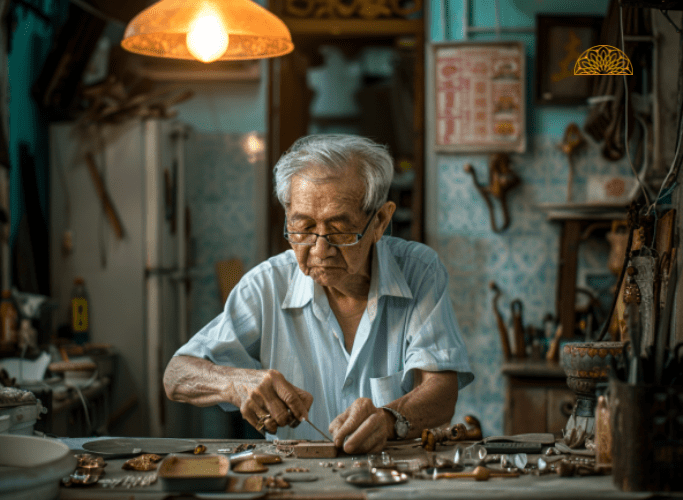
The art of goldsmithing lies at the heart of Peranakan craftsmanship. Peranakan goldsmiths are renowned for their ability to create intricate designs in gold jewellery, leveraging traditional techniques honed over centuries.
The Peranakan community, the Straits-born Chinese community, is a vibrant and culturally rich Southeast Asian group. Their exquisite gold jewellery beautifully reflects their unique Chinese, Malay, and Indonesian heritage blend. Their jewellery features a distinct blend of Chinese, Malay, and Indonesian design elements, resulting in unique and visually captivating pieces.
Peranakan goldsmiths are craftsmen and artists who weave stories and symbolism into every piece they create. Each design is a masterpiece that tells a tale of tradition, culture, and history.
The Intricate Designs and Motifs in Peranakan Jewellery
Intricate designs and motifs characterise Peranakan jewellery. These designs often feature auspicious symbols and intricate patterns that reflect the diverse cultural influences of the Peranakan community.
Every motif in Peranakan jewellery is steeped in symbolism and meaning. The phoenix, symbolising rebirth and renewal, is a popular motif that signifies hope and prosperity. The dragon, a symbol of power and strength, is often intricately woven into the designs, representing courage and protection.
Furthermore, the peony, with its delicate petals and vibrant colours, symbolises beauty, grace, and prosperity. These motifs add beauty to the jewellery and carry deep cultural significance.
The Traditional Techniques Used by Peranakan Goldsmiths
Peranakan goldsmiths employ traditional techniques that have been handed down through generations. These techniques often involve using different hammers, anvils, and other tools to shape and mould the gold into intricate designs.
Granulation, a technique where tiny metal beads are fused onto the surface of the jewellery, adds texture and dimension to the pieces. Filigree work, however, involves intricate wirework to create lacy patterns, adding a touch of elegance and sophistication.
Setting gemstones is another skill Peranakan goldsmiths master, enhancing their creations’ beauty and allure. Each piece of jewellery is a testament to their craftsmanship and dedication to preserving the art of Peranakan goldsmithing.
The Role of Goldsmithing in Peranakan Culture
Goldsmithing plays a significant role in Peranakan culture. It is more than just a form of artistic expression; it is deeply intertwined with their customs, traditions, and social fabric.
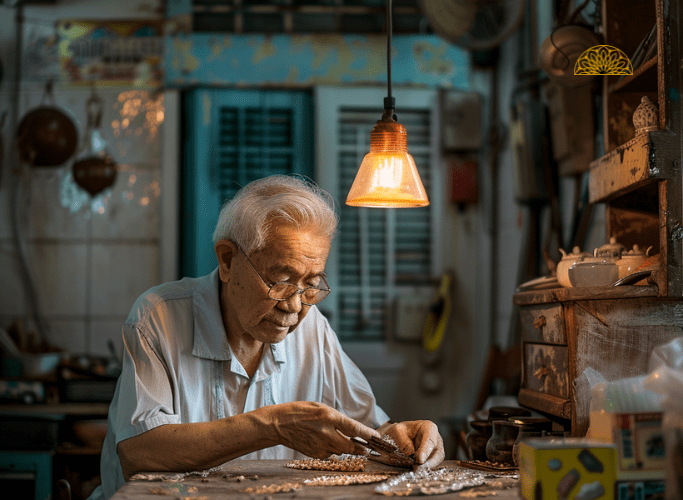
The intricate art of goldsmithing in Peranakan culture involves crafting exquisite jewellery, ornate gold ornaments, and ceremonial items. These skilled artisans, known for their meticulous attention to detail, play a vital role in preserving the rich heritage of the Peranakan community.
Goldsmithing as a Symbol of Status and Wealth
In Peranakan society, owning and wearing gold jewellery is seen as a symbol of status and wealth. Goldsmithing skills were highly prized, and owning finely crafted pieces of jewellery was a sign of affluence and prestige.
Individuals would commission bespoke pieces from master goldsmiths, often incorporating intricate motifs and symbols that hold cultural significance within the Peranakan community. These pieces serve as adornments and as heirlooms passed down through generations, carrying with them stories of family heritage and prosperity.
Peranakan individuals would adorn themselves with these ornate pieces during special occasions, such as weddings and festivals, to display their social standing and prosperity.
The Significance of Goldsmithing in Peranakan Weddings and Ceremonies
Goldsmithing plays a crucial role in Peranakan weddings and ceremonies. It is customary for the bride to receive jewellery from the groom’s family, symbolising their acceptance into the Peranakan community. These pieces are often intricately designed and hold sentimental value, representing the customs and traditions that bind the couple together.
Furthermore, gold jewellery is also given as gifts during other milestone events, such as birthdays and anniversaries, further reinforcing the cultural significance of goldsmithing.
The Challenges in Preserving Peranakan Goldsmithing
While Peranakan goldsmithing has deep roots in the community, its preservation faces numerous challenges in the modern world.
Peranakan goldsmithing, a traditional craft cherished for generations, is not just about creating jewellery but also about preserving a rich cultural heritage. The intricate designs and techniques passed down through the ages hold stories of ancestry and tradition, making each piece a testament to the Peranakan identity.
The Impact of Modernisation on Traditional Crafts
The advent of modernisation and mass production threatens traditional crafts like Peranakan goldsmithing. The demand for cheaper, machine-made jewellery has diminished the appreciation for handmade, intricate pieces.
Despite the challenges, there is a growing movement to revive interest in traditional crafts like Peranakan goldsmithing. Artisans and enthusiasts are working together to showcase the beauty and value of handmade jewellery, emphasising each piece’s uniqueness and cultural significance.
As the Peranakan community becomes more integrated into mainstream society, there is a risk of losing the unique craftsmanship passed down through generations.
The Dwindling Number of Skilled Peranakan Goldsmiths
Another challenge faced by the Peranakan goldsmithing tradition is the dwindling number of skilled artisans. The younger generation often pursues different careers due to the arduous nature of goldsmithing and the lack of financial stability it provides. This decline in skilled goldsmiths puts the craftsmanship and heritage at risk of losing forever.
Efforts are being made to address this issue by providing training and apprenticeships to aspiring goldsmiths, ensuring that the knowledge and skills are passed on to future generations. By preserving and promoting Peranakan goldsmithing, we not only safeguard a traditional craft but also celebrate the cultural diversity and artistry of the Peranakan community.
Efforts to Keep the Craft Alive
Recognising the urgency of preserving Peranakan goldsmithing, efforts are underway to ensure the continuation of this precious craft.
Training the Next Generation of Peranakan Goldsmiths
Organisations and individuals are stepping up to train and mentor aspiring Peranakan goldsmiths. By passing down the knowledge and skills to a new generation, the craft hopes to thrive for years to come.
Promoting Peranakan Goldsmithing Through Tourism and Exhibitions
Through tourism and exhibitions, Peranakan goldsmithing is being showcased and celebrated. This exposure raises awareness and generates interest in the craft, encouraging both locals and visitors to appreciate its beauty and heritage.
By combining traditional craftsmanship with modern marketing strategies, the hope is to create a sustainable market for Peranakan goldsmithing and ensure its survival.
In conclusion, the art of Peranakan goldsmithing in Malaysia stands as a testament to the cultural heritage of the Peranakan community. It reflects their unique blend of Chinese, Malay, and Indonesian influences and symbolises status and wealth. However, preserving this ancient craft comes with its challenges. Through training the next generation and promoting the craft to a wider audience, it is hoped that Peranakan goldsmithing will continue to thrive, keeping the heritage alive for future generations to appreciate and admire.





Article
Preserving Heritage: The Craftsmanship of Peranakan Goldsmiths in Malaysia
Explore the intricate world of Peranakan goldsmithing in Malaysia, where Chinese, Malay, and Indonesian influences converge in exquisite jewellery. Despite modern challenges, efforts to train the next generation and promote the craft through tourism and exhibitions aim to preserve this cherished heritage.